
Botulism
1. Overview
Botulism is a severe, non-contagious intoxication affecting a wide range of animal species, including cattle, sheep, goats, horses, poultry, and wildlife. The disease is caused by neurotoxins produced by Clostridium botulinum, an anaerobic, spore-forming, Gram-positive bacterium commonly found in soil and aquatic environments. Spores of C. botulinum are very heat-resistant; and stable in the environment. Animals usually develop botulism after ingesting feed, water, or other materials contaminated with preformed botulinum toxins (ANSES, 2025; APHA, 2018).
Several toxin types have been identified, with types C and D being the principal causes of botulism in ruminants. The disease is characterized by progressive neuromuscular dysfunction that can rapidly become fatal if left unmanaged (ANSES, 2025).
Botulism can cause substantial economic losses in livestock production due to high mortality, reduced productivity, treatment costs, and the implementation of control measures. Because clinical treatment is often unsuccessful once neurological signs become evident, prevention through good feed management, biosecurity, and vaccination remains the most effective strategy for reducing the impact of the disease (APHA, 2018).
2. Pathogenesis and Predisposing Factors
Unlike many bacterial diseases, botulism is not caused by bacterial invasion of tissues and is not transmitted directly between animals. Disease occurs when animals ingest botulinum neurotoxins that have been produced by Clostridium botulinum under anaerobic conditions, typically in decomposing organic matter or improperly preserved feed (ANSES, 2025).
Once ingested and absorbed, the neurotoxin irreversibly blocks the release of acetylcholine at the neuromuscular junction, preventing normal nerve impulse transmission to muscles. This results in progressive flaccid paralysis, which may ultimately affect the respiratory muscles and lead to death if supportive care is not provided (Pandian et al., 2015; ANSES, 2025).
Common predisposing factors include:
- Consumption of feed or water contaminated with botulinum toxin
- Contamination of feed by animal carcasses
- Poor silage or feed preservation
- Access to poultry litter or other contaminated organic material
- Osteophagia (bone chewing) associated with phosphorus deficiency in cattle
- Inadequate feed and farm hygiene practices
3. Clinical Signs
The clinical presentation of botulism is characterized by progressive, symmetrical flaccid paralysis, with severity depending on the amount of toxin ingested. Affected animals typically remain alert throughout the course of the disease, despite increasing muscle weakness (ANSES, 2025).
- Early Stage
Early clinical signs include reluctance to move, weakness, reduced feed intake, and decreased muscle tone. As the disease progresses, affected animals may show difficulty chewing and swallowing, reduced tongue tone, excessive salivation, and a weakened tail and eyelid reflexes (APHA, 2018).
- Advanced Stage
Progressive paralysis leads to recumbency, inability to rise, and marked muscle weakness. In advanced cases, paralysis of the respiratory muscles results in respiratory failure, which is the primary cause of death. Animals that survive may require prolonged recovery due to the irreversible action of the toxin on nerve endings (Pandian et al., 2015).
4. Prevention and Control
Preventing botulism relies on a combination of good feed management, biosecurity, and vaccination. Because the disease results from the ingestion of preformed botulinum toxins, preventing feed contamination and minimizing exposure to toxin sources are essential for reducing the risk of disease (ANSES, 2025; APHA, 2018).
Vaccination plays a central role in the prevention of botulism. Routine immunization helps protect susceptible animals against botulinum neurotoxins, reducing mortality and the economic impact of outbreaks. When combined with sound feed management and biosecurity practices, vaccination provides an effective and sustainable approach to protecting livestock from botulism (APHA, 2018; Pandian et al., 2015).
5. MCI Solutions
MCI Santé Animale offers inactivated vaccines to support the prevention and control of botulism in livestock. Available as monovalent and combination formulations, MCI's vaccine portfolio provides flexible vaccination solutions tailored to different herd health needs and preventive programmes.
MCI's botulism vaccine portfolio includes:
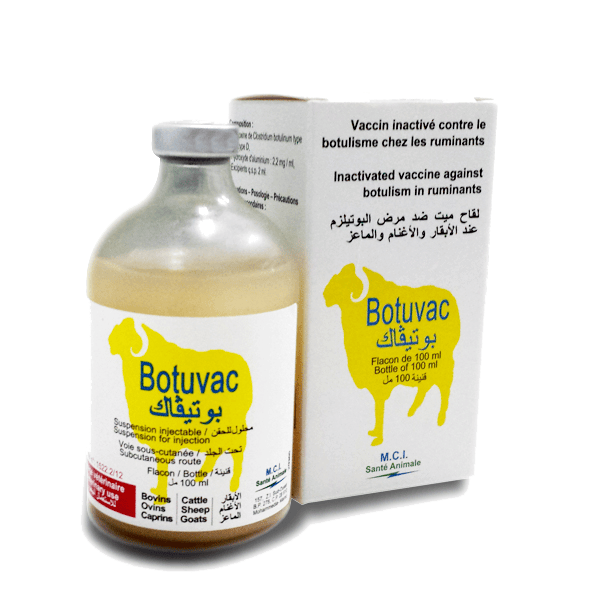
Inactivated adjuvanted vaccine indicated for the prevention of botulism in cattle, sheep, and goats. Formulated with Clostridium botulinum type C and type D toxoids.
View product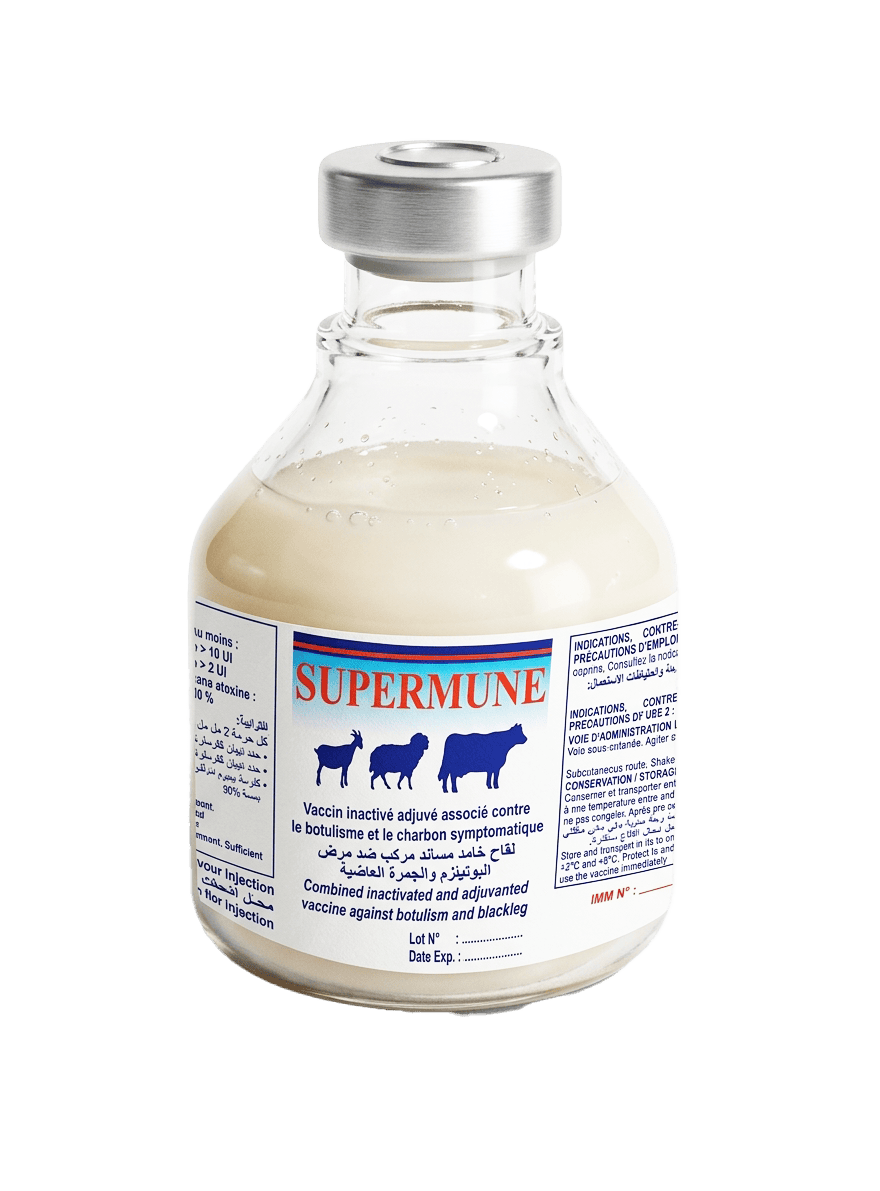
Combined inactivated and adjuvanted vaccine indicated for the prevention of botulism and blackleg in cattle, sheep, and goats. Formulated with Clostridium botulinum type C and type D toxoids and Clostridium chauvoei.
View productReferences
Agence nationale de sécurité sanitaire de l'alimentation, de l'environnement et du travail. (2025). Botulism in animals. ANSES. https://www.anses.fr/en/content/botulism-in-animals
Animal and Plant Health Agency. (2018). Botulism in farmed ruminants. UK Government. https://www.gov.uk/government/publications/botulism-in-farmed-ruminants/botulism-in-farmed-ruminants
Pandian, S. J., Subramanian, M., Vijayakumar, G., Balasubramaniam, G. A., & Sukumar, K. (2015). Therapeutic management of botulism in dairy cattle. Veterinary World, 8(11), 1305–1309. https://doi.org/10.14202/vetworld.2015.1305-1309