
Clostridial Diseases - Enterotoxemia
1. Overview
The Clostridial infections constitute a complex group of diseases affecting many animal species. Enterotoxaemia due to Clostridium perfringens are by far the most important clostridial diseases in farm animals. They affect sheep and goats, although they can also occur in cattle and other livestock species. The disease is caused by toxin-producing strains of Clostridium perfringens, an anaerobic, spore-forming, Gram-positive bacterium that normally inhabits the gastrointestinal tract of healthy animals and is widely distributed in the environment. The disease develops when conditions favour rapid bacterial proliferation and the production of potent toxins within the intestine (TVMDL, 2024).
Among the different toxinotypes of Clostridium perfringens, types C and D are the principal causes of enterotoxemia in sheep and goats. Type A may also contribute to enteric disease and sudden deaths in sheep and goats. Type C predominantly affects neonatal animals and is associated with severe hemorrhagic enteritis, whereas type D is more commonly observed in rapidly growing lambs and kids fed high-energy diets, where excessive carbohydrate intake promotes bacterial overgrowth and epsilon toxin production (Hussain et al., 2022).
Other clostridial diseases include infections caused by a variety of clostridia such as C. novyi, C. chauvoei, C. septicum and C. sordelli. Clostridium novyi type B is responsible for infectious necrotic hepatitis or black disease, a worldwide disease of sheep which affects occasionally cattle, mainly in the areas where liver fluke is prevalent. Clostridium novyi type A, which occurs widely in the soil and intestine of the herbivores, is often associated with cases of gangrene, while strains of C. novyi type C, are considered non toxigenic.
Clostridium chauvoei and Clostridium septicum are referred to as tissue destroying clostridia and are responsible for several infections in sheep, calves and pigs, while Clostridium sordellii is a common intestinal organism, associated with cases of enteritis and sudden death in cattle and sheep.
Clostridial diseases are responsible for substantial economic losses in sheep and goat production due to sudden deaths, high mortality in young animals, reduced productivity, and the costs associated with treatment and prevention. Because affected animals often die before clinical signs become evident, preventive measures, particularly vaccination and appropriate nutritional management, are essential for effective disease control (Veterinaria Digital, 2023).
2. Pathogenesis and Predisposing Factors
- Clostridium perfringens enterotoxemia
Unlike many bacterial diseases, enterotoxemia is not considered a contagious disease. Clostridium perfringens is a normal inhabitant of the gastrointestinal tract of healthy animals and is also commonly found in the environment. Disease occurs when conditions favor the rapid multiplication of the bacterium within the intestine, leading to the production of potent toxins that damage the intestinal lining and are absorbed into the bloodstream, causing severe systemic disease (TVMDL, 2024; Hussain et al., 2022).
Rapid changes in the intestinal environment are the primary trigger for bacterial overgrowth. Diets rich in highly fermentable carbohydrates, sudden feed changes, overeating following feed restriction, lush pasture, and excessive milk intake in young animals can all promote the proliferation of C. perfringens and increase toxin production. Stress and poor feeding management may further predispose animals to disease (Veterinaria Digital, 2023).
Common predisposing factors include:
- Sudden dietary changes
- High-concentrate or high-energy diets
- Overeating after periods of feed restriction
- Access to lush pasture
- Excessive milk intake in young animals
- Stress associated with transport, weaning, or environmental changes
- Poor feeding management
- Other clostridia
Infectious necrotic hepatitis caused by Clostridium novyi type B occurs as a complication of liver damage such as liver abscess, fatty changes in the liver, internal parasite migrations and liver flukes. Under these conditions of focal liver necrosis, the dormant spores of Clostridium novyi become activated and germinate into the vegetative form of the bacterium, which multiplies and produces large quantities of potent toxins (alpha toxin). The toxin expands the liver damage and diffuses into the blood stream causing a fatal toxemia.
Clostridium chauvoei and Clostridium septicum proliferate in living tissues and release their toxins causing soft tissue infections and gas gangrene conditions where myonecrosis dominates.
3. Clinical Signs
- Clostridium perfringens enterotoxemia
The clinical presentation of enterotoxemia depends on the animal's age, the Clostridium perfringens toxinotype involved, and the amount of toxin produced. The disease is often peracute or acute, with affected animals frequently found dead before clinical signs are observed. Young, fast-growing animals in good body condition are particularly susceptible (TVMDL, 2024; Hussain et al., 2022).
- Peracute Form
The peracute form is the most common presentation, particularly in lambs. Animals may die suddenly without preceding signs or after a brief period of depression, recumbency, or convulsions. In many cases, sudden death is the only observed manifestation of the disease (TVMDL, 2024).
- Acute Form
Animals that survive longer may develop severe depression, anorexia, abdominal pain, profuse diarrhea, dehydration, and neurological signs such as ataxia, muscle tremors, opisthotonos, paddling, or convulsions. Progression is usually rapid, and death often occurs within a few hours of the onset of clinical signs (TVMDL, 2024; Hussain et al., 2022).
- Chronic Form
The chronic form is uncommon and is generally observed in partially immune or previously vaccinated animals. Clinical signs may include intermittent diarrhea, weight loss, poor growth, and reduced productivity, with animals surviving for several days before either recovering or deteriorating (TVMDL, 2024).
- Clostridium septicum enterotoxemia
The disease is a frequently fatal infection toxemia. Affected animals are usually found dead with no prior clinical signs being observed. In some cases, affected animals appear depressed, reluctant to move and manifest signs of abdominal pain prior to death which occurs within a few hours (2 to 12 hours) following the onset of symptoms.
Clostridium septicum is also associated with other clinical forms characterized by edema, gangrene and fatal toxemia of cattle, horses, sheep, goats, and pigs.
- Infectious necrotic hepatitis
The clinical course of infectious necrotic hepatitis or black disease is per acute, with sudden death of the affected animals. Post-mortem findings include subcutaneous venous congestion and necrotic foci on the liver, with pleural and pericardial effusions. Signs and lesions of liver fluke infestation are commonly seen.
- Blackleg
Blackleg or emphysematous gangrene is a fatal infection caused primarily by Clostridium chauvoei, but other bacteria such as Clostridium septicum and Clostridium sordellii can be associated with the disease. The infection is characterized by gas gangrene of the muscle (myositis) and toxemia. The disease most commonly occurs in young cattle, usually between 4 months to 2 years of age. More often, the onset of the disease is sudden, and animal may be found dead without premonitory signs being observed. The clinical symptoms start with the appearance of hot and painful muscular swelling in the area where the infection is located. As the disease progresses, the swelling enlarges, becomes cold with crepitation on palpation. The swellings are seen most often in the upper part of the legs and the areas of the hip, shoulder or neck. Death usually occurs within 24 to 48 hours after appearance of the clinical signs.
On post mortem examination, the cut surface of the affected muscle is the presence of dark red to black areas with dry necrosis and a peripheral emphysematous zone infiltrated with bubbles.
4. Prevention and Control
Prevention of clostridial diseases relies on a combination of good feeding practices, sound herd management, and vaccination. Vaccination is widely recognized as the most effective strategy for preventing clostridial diseases. Routine immunization protects susceptible animals against the major toxins responsible for the disease, helping reduce mortality, improve flock productivity, and minimize economic losses.
5. MCI Solutions
MCI Santé Animale offers a comprehensive range of inactivated clostridial vaccines to support the prevention and control of clostridial diseases in ruminants. Available as both monovalent and multivalent formulations, MCI's vaccine portfolio provides flexible solutions tailored to different livestock species, production systems, and herd health programmes.
MCI's vaccine portfolio for clostridial diseases includes:
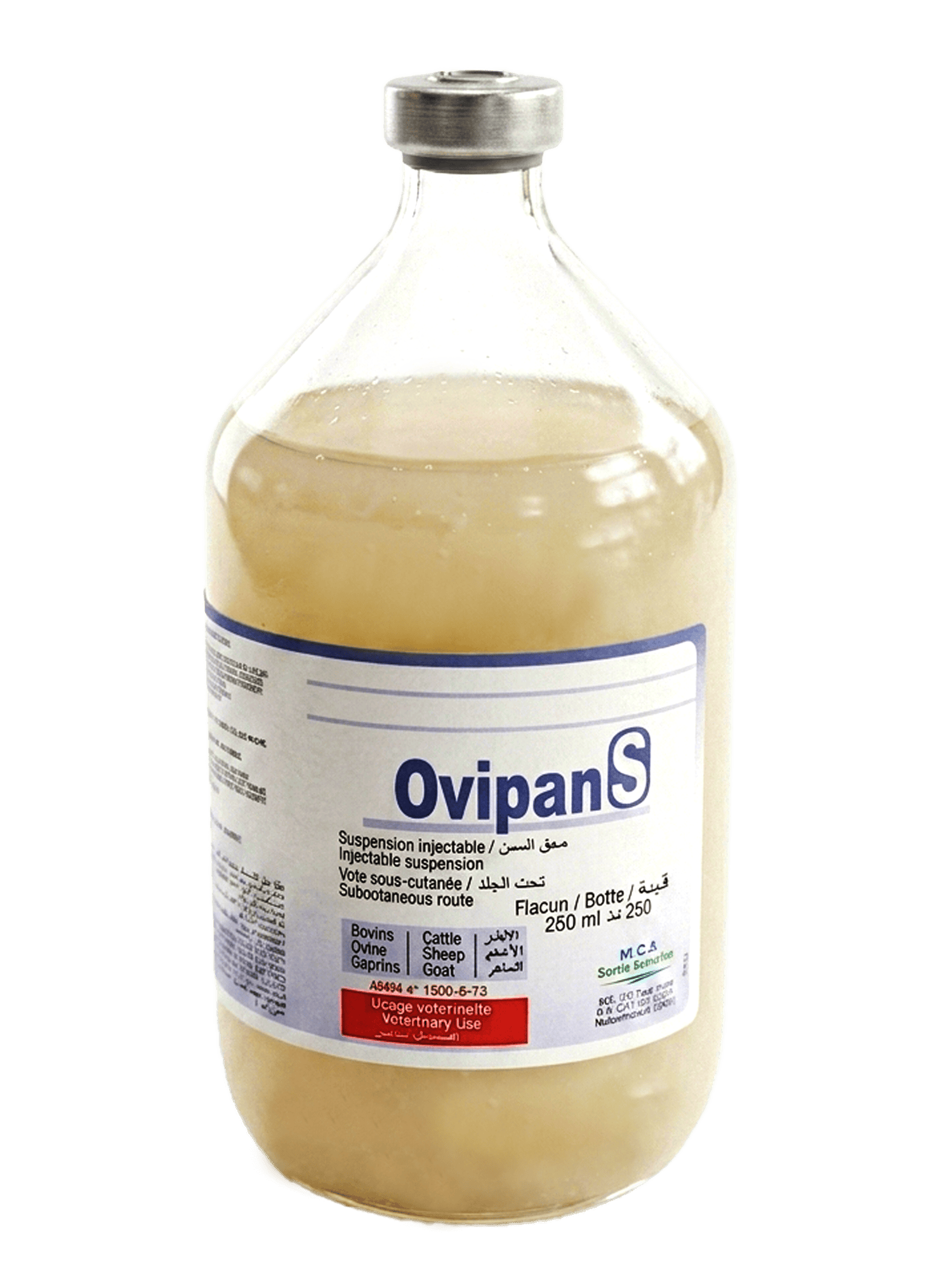
Contains Clostridium perfringens types A, B, C, and D, Clostridium septicum, Clostridium novyi type B, and Clostridium sordellii to protect ruminants against enterotoxemia and other major clostridial diseases.
View product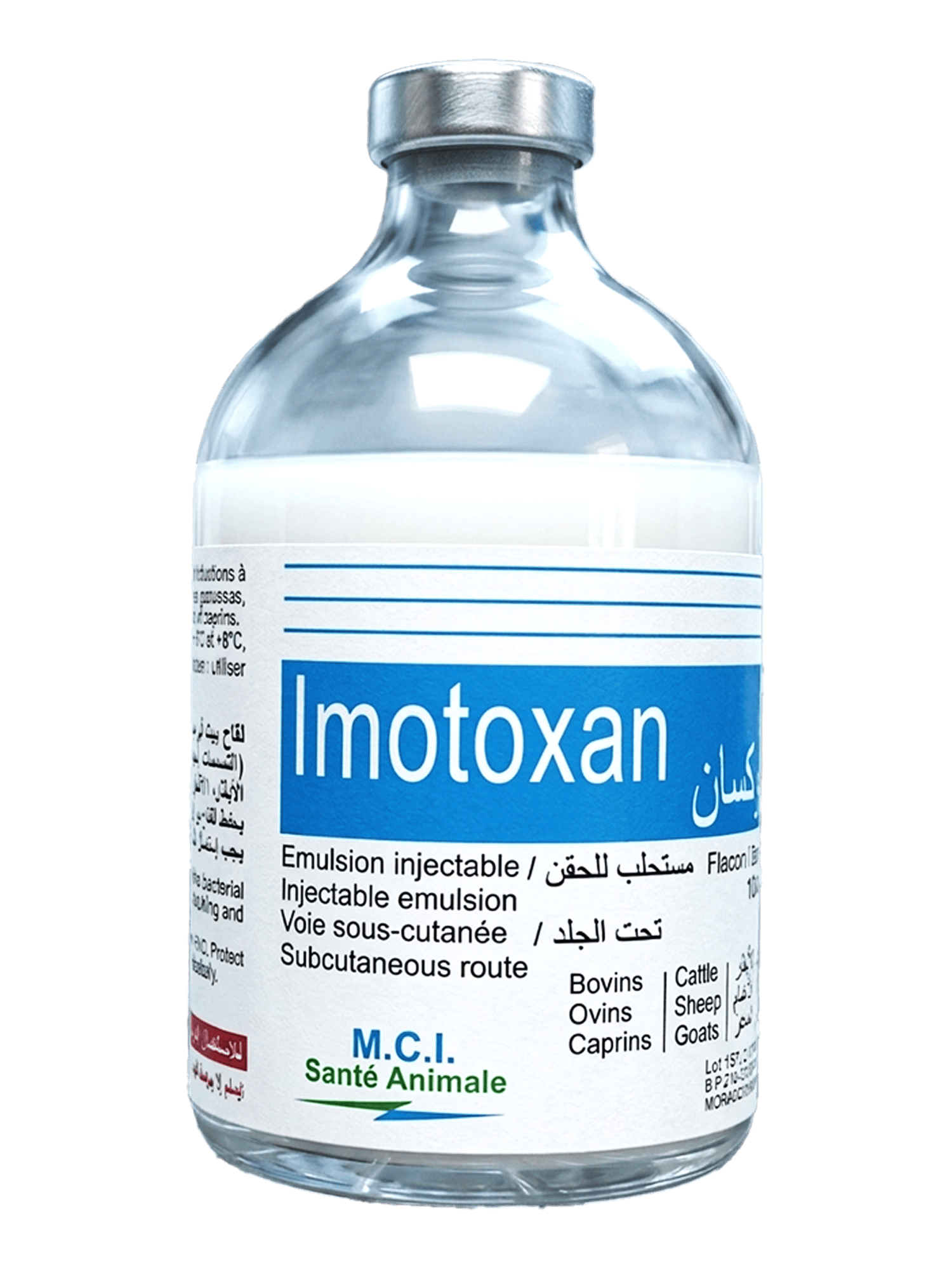
Combines Clostridium perfringens types B, C, and D with Clostridium septicum, Clostridium novyi type B, Clostridium tetani, and Clostridium chauvoei, providing broad protection against clostridial infections in cattle, sheep, and goats.
View product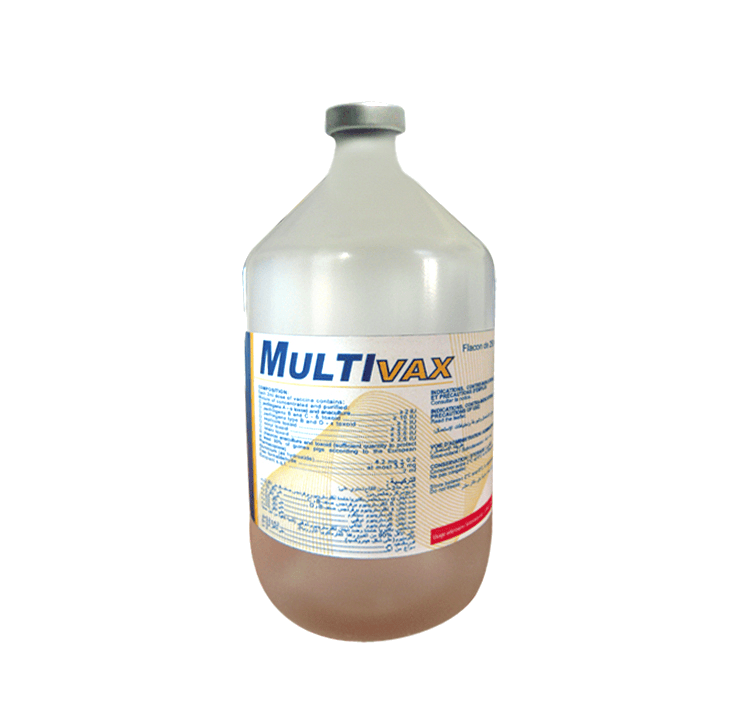
Contains Clostridium perfringens types A, B, C, and D together with Clostridium septicum, Clostridium novyi, Clostridium tetani, and Clostridium chauvoei for broad protection against clostridial diseases in cattle, sheep, and goats.
View product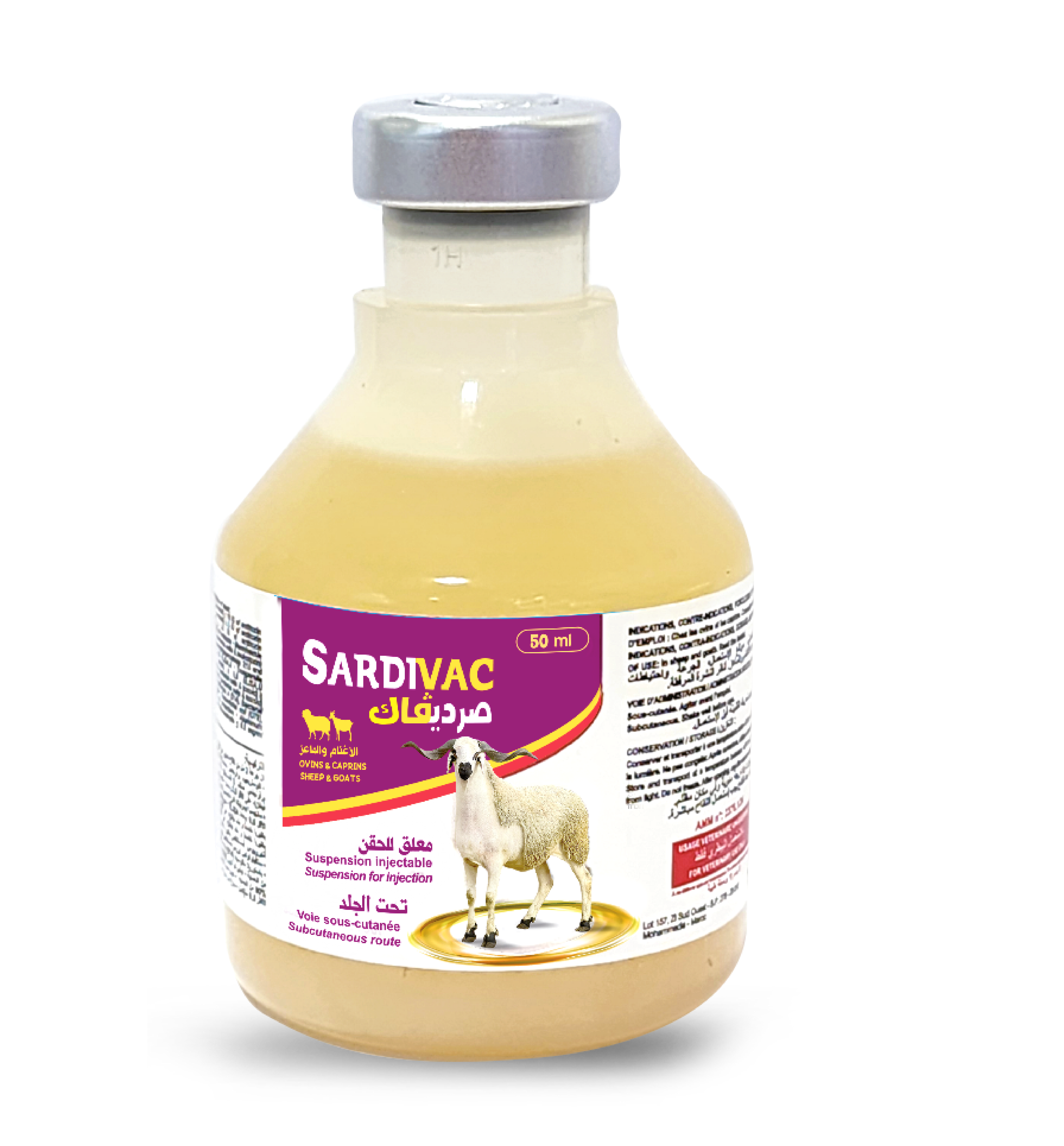
Combines clostridial antigens with Mannheimia haemolytica, Pasteurella multocida, Corynebacterium pseudotuberculosis, Trueperella pyogenes, Staphylococcus aureus, Staphylococcus aureus anaerobius, and Escherichia coli to protect sheep and goats against enterotoxemia, gas gangrene, pasteurellosis, septicemic colibacillosis, and abscess disease.
View product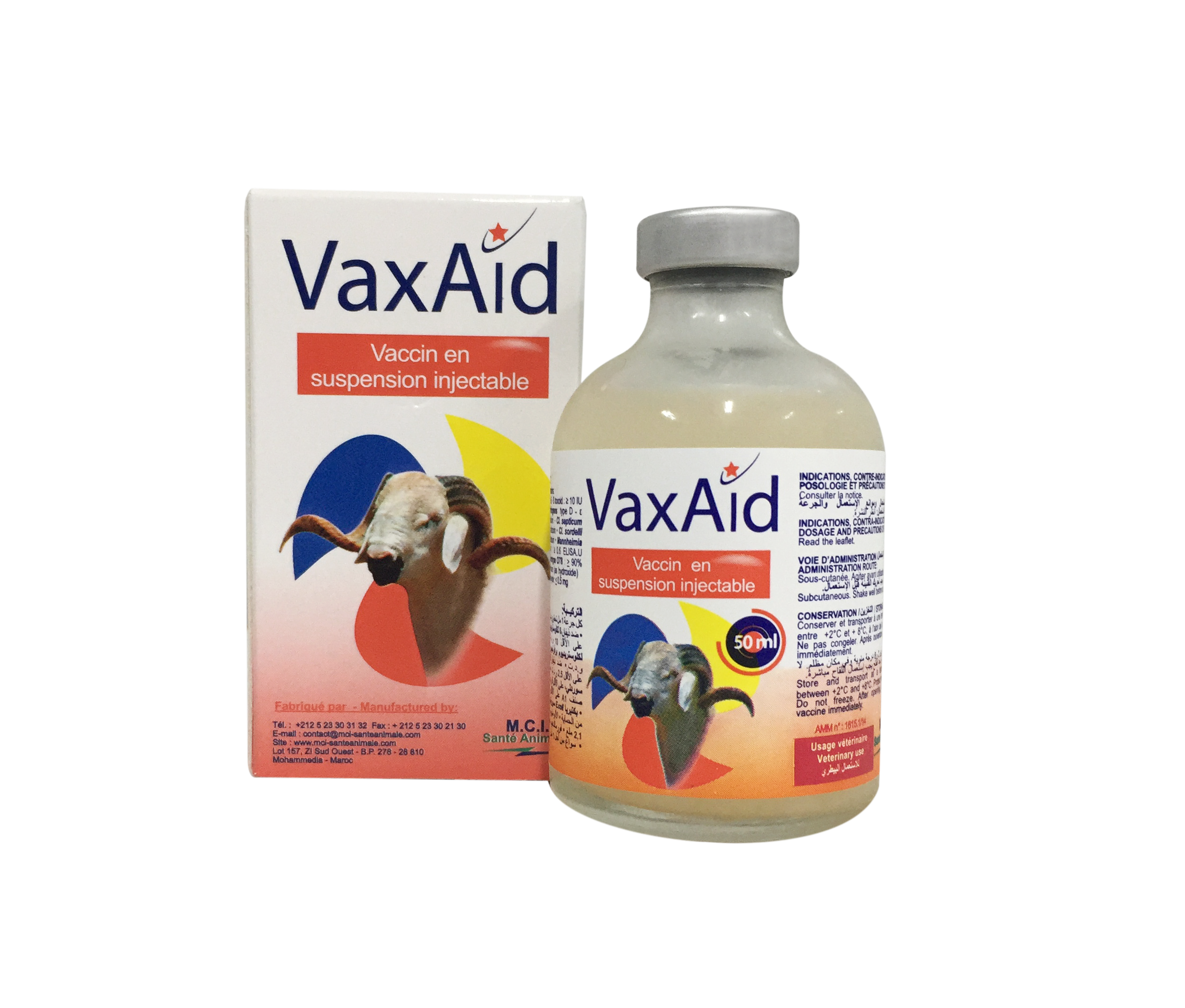
Combines clostridial antigens with Mannheimia haemolytica, Pasteurella multocida, and Escherichia coli to protect cattle, sheep, and goats against enterotoxemia, gas gangrene, pasteurellosis, and septicemic colibacillosis.
View product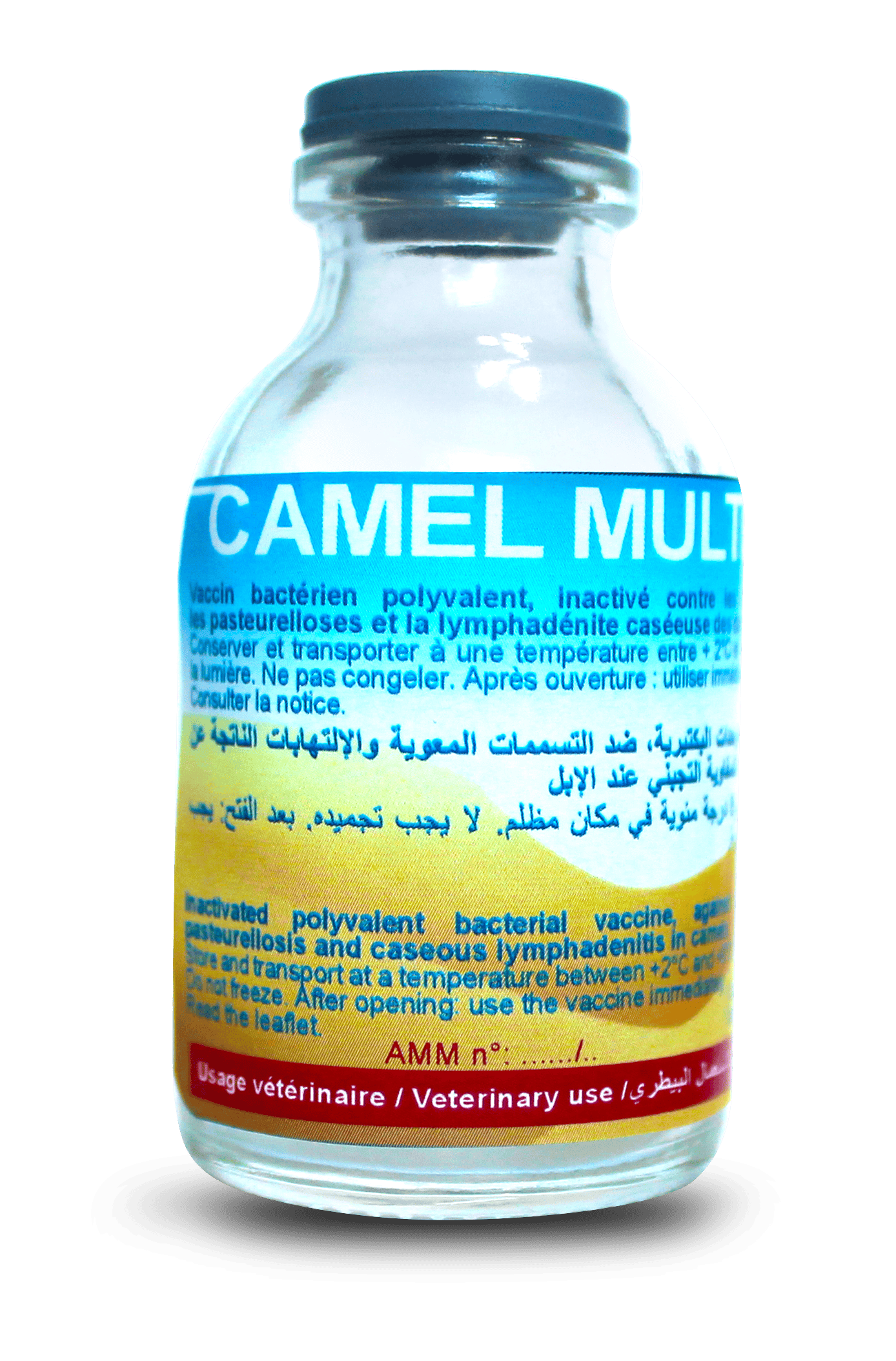
Combines clostridial antigens with Pasteurella multocida, Mannheimia haemolytica, and Corynebacterium pseudotuberculosis to protect camels against enterotoxemia, pasteurellosis, and caseous lymphadenitis.
View productReferences
Hussain, R., Guangbin, Z., Abbas, R. Z., Siddique, A., Mohiuddin, M., Khan, I., Rehman, T., & Khan, A. (2022). Clostridium perfringens types A and D involved in peracute deaths in goats kept in the Cholistan ecosystem during winter season. Frontiers in Veterinary Science, 9, 849856. https://doi.org/10.3389/fvets.2022.849856
Texas A&M Veterinary Medical Diagnostic Laboratory. (2024). Enterotoxemia in sheep and goats. Texas A&M University. https://tvmdl.tamu.edu/case-studies/enterotoxemia-in-sheep-and-goats/
Veterinaria Digital. (2023). Enterotoxemia in calves: Challenges, clinical signs, diagnosis and prevention strategies. https://www.veterinariadigital.com/en/articulos/enterotoxemia-in-calves-challenges-clinical-signs-diagnosis-and-prevention-strategies/