
Infectious Bursal Disease (IBD)
Introduction
Infectious Bursal Disease (IBD), commonly known as Gumboro disease, is a highly contagious viral disease that primarily affects young chickens. The disease specifically targets lymphoid tissues, causing the destruction of immature B lymphocytes within the bursa of Fabricius and resulting in severe immunosuppression (Van den Berg, 2000; Sharma et al., 2000).
IBD is considered one of the most significant diseases in poultry production due to the substantial economic losses associated with mortality, reduced production performance, and the increased susceptibility to secondary infections resulting from immunosuppression.
Etiology and Virus Characteristics
The Infectious Bursal Disease Virus (IBDV) belongs to the Birnaviridae family. It is a non-enveloped virus with a bi-segmented double-stranded RNA (dsRNA) genome consisting of segments A and B. Viral particles measure approximately 55–70 nm in diameter (Dobos et al., 1979).
IBDV is highly resistant in the environment and can survive for several weeks in contaminated poultry houses. It is resistant to many lipid solvents, including ether and chloroform, but remains susceptible to certain phenolic and chlorine-based disinfectants (Eterradossi & Saif, 2013).
| Serotype | Characteristics |
|---|---|
| Serotype I | Pathogenic in chickens (classical, variant, and very virulent strains) |
| Serotype II | Non-pathogenic in chickens |
The viral genome encodes several structural and non-structural proteins (VP1–VP5). Among these, VP2 is the principal target of neutralizing antibodies and plays a central role in the virus's antigenic variation.
Pathogenesis and Immunity
IBDV primarily replicates in developing B lymphocytes within the bursa of Fabricius, leading to their destruction and causing profound immunosuppression (Sharma et al., 2000).
| Age at Infection | Clinical Outcome |
|---|---|
| Early infection | Subclinical immunosuppression |
| Later infection | Acute clinical disease |
Maternal antibodies provide partial but temporary protection, with a half-life of approximately 3–5 days, making them a key factor in determining vaccination schedules (Mahgoub, 2012).
The resulting immunosuppression predisposes affected birds to numerous secondary bacterial and viral infections, particularly colibacillosis, salmonellosis, Marek's disease, and coccidiosis (Sharma et al., 2000).
Transmission
IBDV is transmitted primarily through horizontal transmission, either by direct contact or indirectly via contaminated feces, feed, water, equipment, personnel, and mechanical vectors.
Vertical transmission is generally considered epidemiologically insignificant (Eterradossi & Saif, 2013).
Clinical Signs and Lesions
Following an incubation period of 3–4 days, affected birds typically exhibit anorexia, depression, ruffled feathers, locomotor disturbances, and whitish diarrhea.
Morbidity may exceed 80%, while mortality varies depending on the virulence of the circulating strain and the immune status of the flock (Van den Berg, 2000).
| Clinical Signs | Characteristic Lesions |
|---|---|
| Anorexia | Enlargement followed by atrophy of the bursa of Fabricius |
| Depression (prostration) | Muscular hemorrhages |
| Ruffled feathers | Enlarged kidneys with renal congestion |
| Locomotor disorders | Severe dehydration |
| Whitish diarrhea | - |
Histopathological examination reveals lymphocytic necrosis of the bursa, severe inflammation, and tubular nephritis (Rautenschlein et al., 2003).
Prevention and Control
Effective prevention of Infectious Bursal Disease relies on a combination of strict biosecurity measures and well-designed vaccination programs adapted to the epidemiological situation and disease pressure within each production system.
To support poultry professionals in the control of IBD, MCI Santé Animale offers a comprehensive range of vaccines designed to meet varying health challenges and levels of infectious pressure.
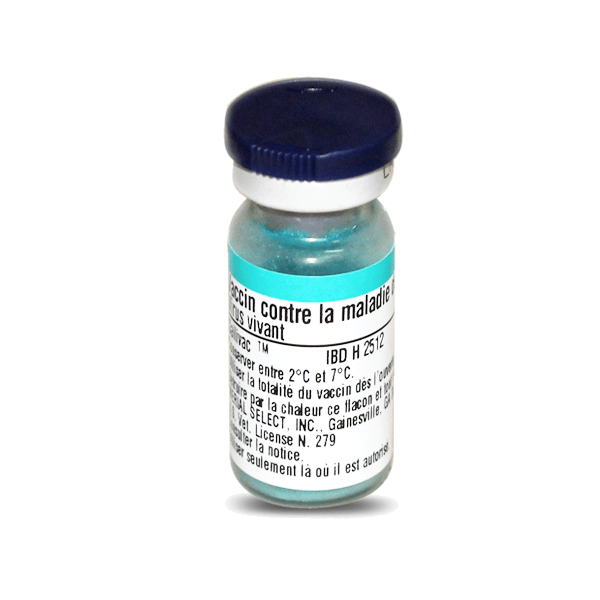
Intermediate live attenuated vaccine Reliable vaccine take in the presence of moderate maternal antibody levels
View product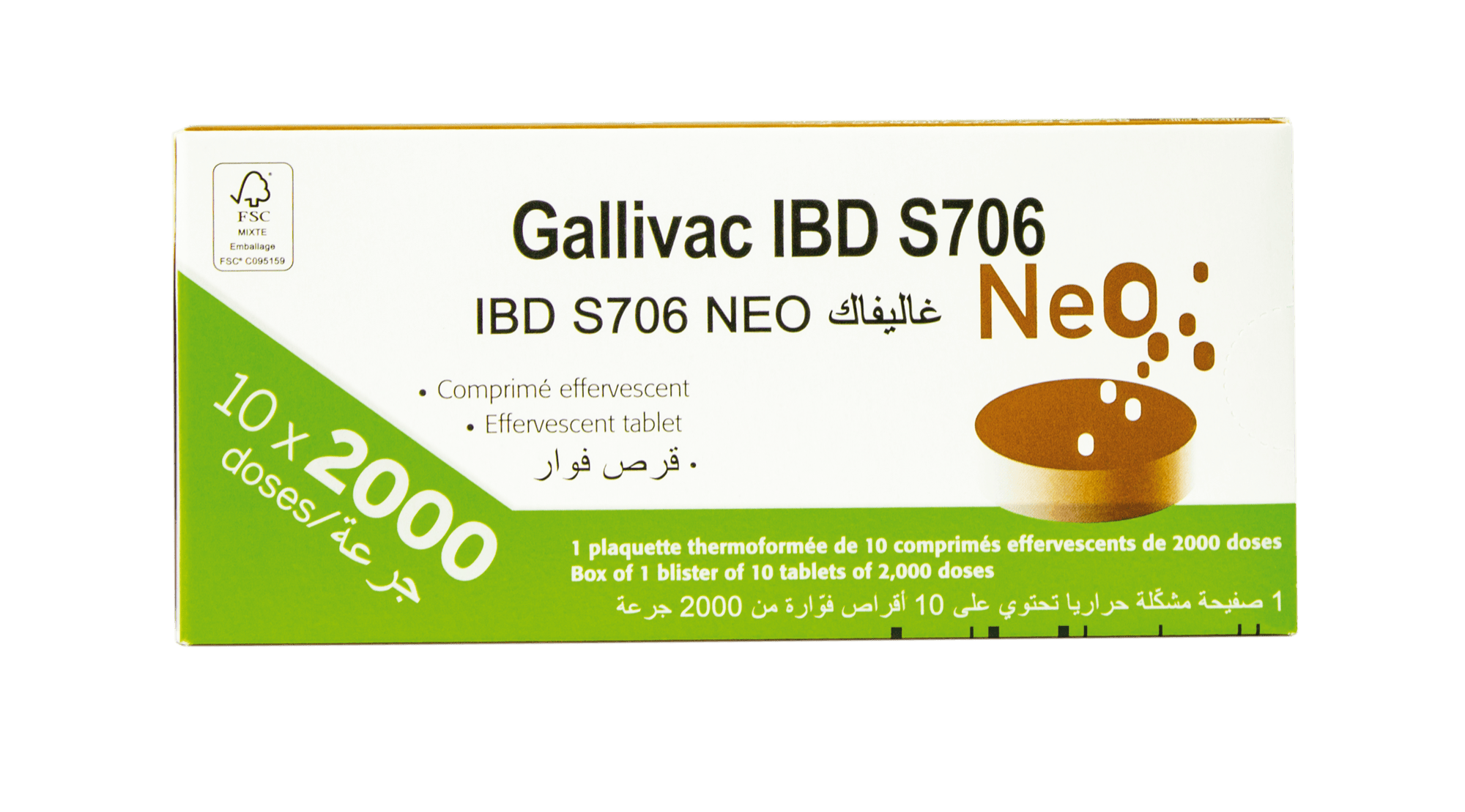
Intermediate-plus live attenuated vaccine Enhanced protection against circulating virulent IBDV strains
View product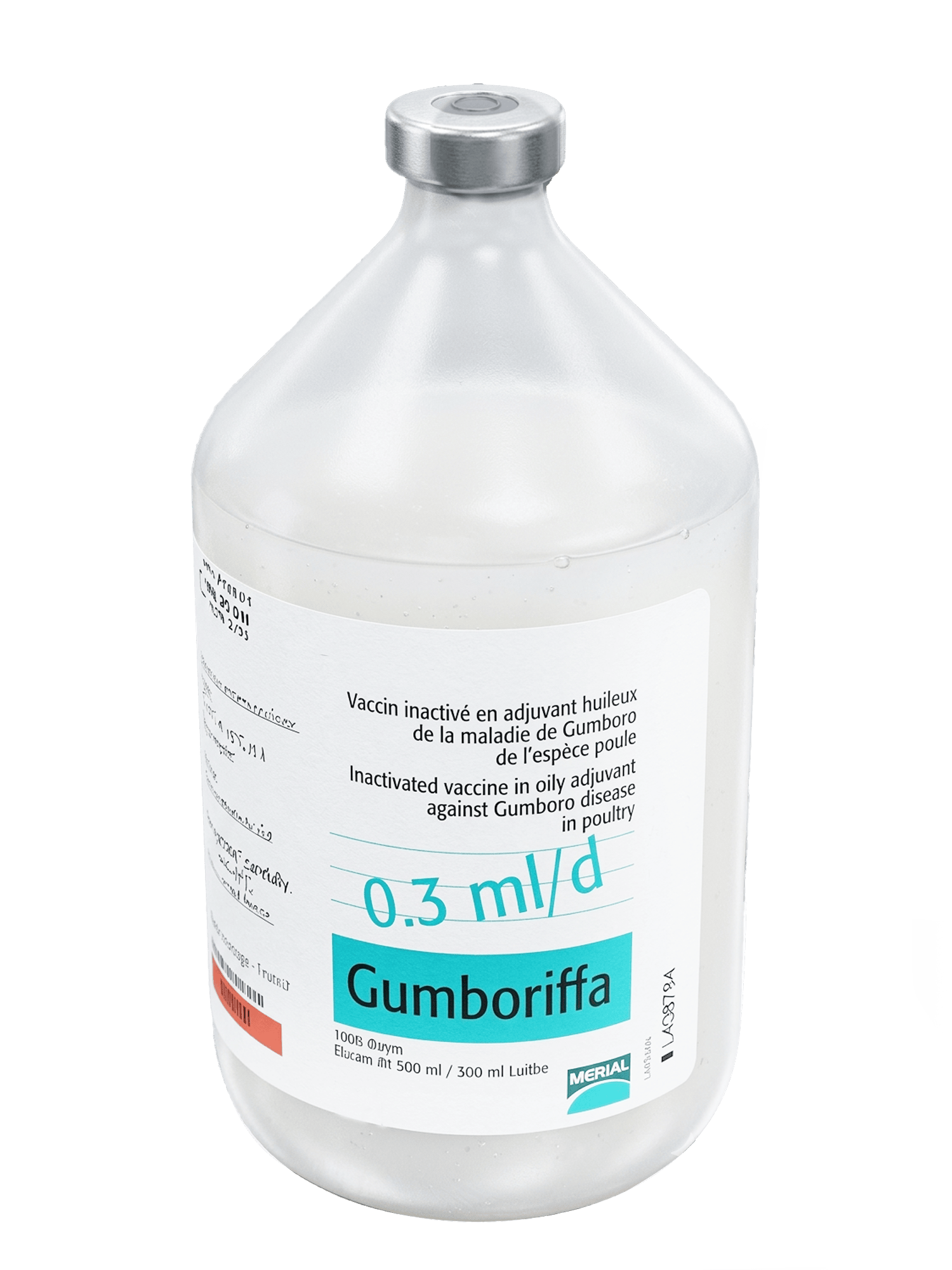
Inactivated vaccine Boosts breeder immunity and promotes optimal maternal antibody transfer
View product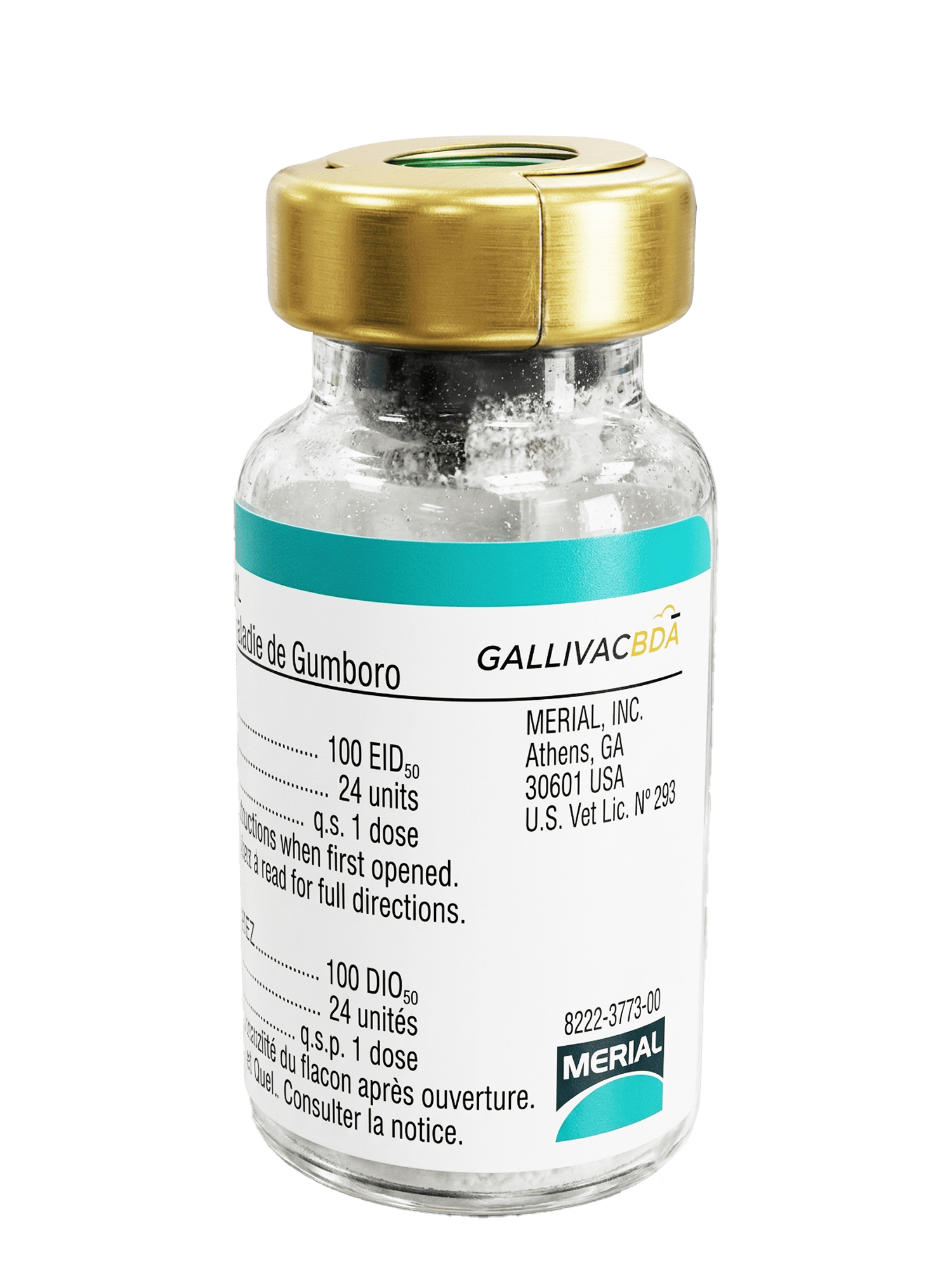
Immune-complex vaccine Progressive release of the vaccine virus, optimizing vaccination in the presence of maternal antibodies
View product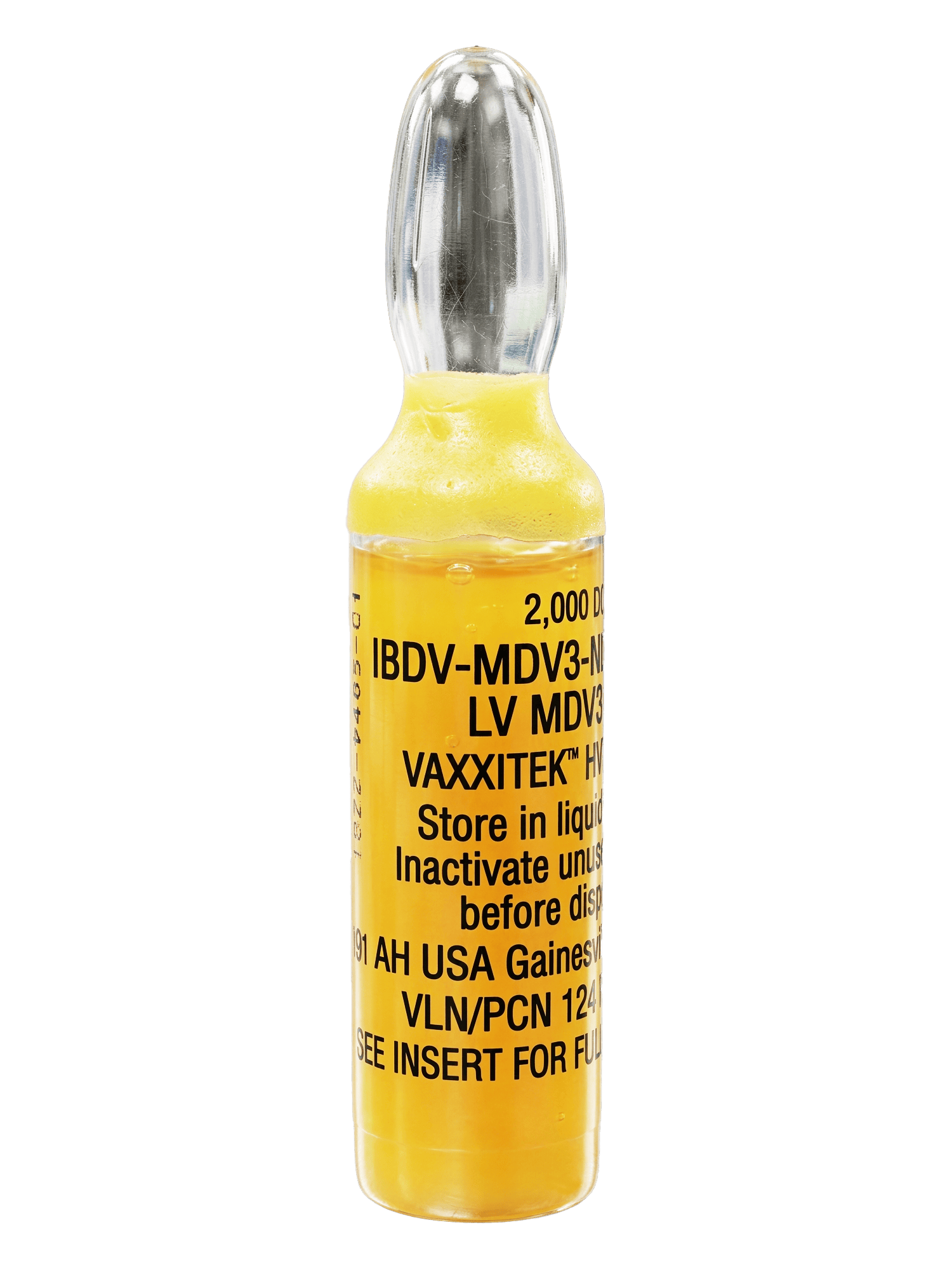
Recombinant HVT-vectored vaccine Early, long-lasting protection against both Infectious Bursal Disease and Newcastle disease
View productSelecting the Appropriate Vaccination Program
The optimal vaccination strategy should be determined based on:
- Maternal antibody levels;
- The local epidemiological situation;
- The level of infectious pressure;
- The virulence of circulating IBDV strains.