
Lumpy Skin Disease (LSD)
Overview
Lumpy Skin Disease (LSD) is a highly contagious viral disease affecting cattle and water buffalo, caused by the Lumpy Skin Disease Virus (LSDV), a member of the Capripoxvirus genus. Recognized by the World Organisation for Animal Health (WOAH) as a notifiable transboundary animal disease, LSD has become a major concern for livestock industries due to its rapid geographic expansion and significant socio-economic consequences (WOAH, 2024).
First reported in Zambia in 1929, Lumpy Skin Disease remained largely confined to sub-Saharan Africa for several decades before spreading to the Middle East in the late 1980s. Since then, the disease has expanded across large parts of Asia and, more recently, re-emerged in Europe, where outbreaks reported in 2025 and 2026 have affected countries including Spain, France and Italy. This continued geographic expansion highlights the growing transboundary nature of LSD and reinforces the need for robust surveillance, rapid response and effective vaccination strategies (Akther et al., 2023; DEFRA, 2026).
Although mortality is generally low, the disease can have devastating economic consequences. Infected animals often experience a marked reduction in milk production, weight loss, infertility, abortion, hide damage and prolonged recovery periods. Trade restrictions, movement bans and the costs associated with outbreak control further increase the financial burden on livestock producers and veterinary authorities. Morbidity may range from 2% to 45%, depending on factors such as vector abundance, herd immunity and animal susceptibility, while mortality usually remains below 10% (FAO, 2017; Amenu, 2018).
Clinical Signs
Following an incubation period of approximately one to four weeks, affected animals typically develop fever and enlarged superficial lymph nodes before the appearance of the characteristic firm skin nodules that give the disease its name. The severity of clinical signs varies according to the virus strain, immune status, breed and age of the animal, with high-producing dairy cattle often showing more severe disease (FAO, 2017).
Common clinical signs include:
- Fever
- Enlarged superficial lymph nodes
- Multiple firm skin nodules distributed over the body
- Ocular and nasal discharge
- Reduced milk production
- Limb oedema and lameness
- Loss of appetite and weight loss
- Reproductive disorders, including temporary infertility and abortion
- Secondary bacterial infections in severe cases
As the disease progresses, skin nodules may become necrotic and detach, leaving deep scars that permanently reduce hide quality. Recovery can be slow, with affected animals requiring weeks or even months to regain their productive performance (WOAH, 2024).
Transmission
Lumpy Skin Disease is primarily transmitted through the bites of blood-feeding arthropods, making insects the principal drivers of disease spread. Stable flies (Stomoxys calcitrans), mosquitoes and several tick species are considered important mechanical vectors, particularly during warm and humid seasons when vector populations increase (FAO, 2017).
The movement of infected cattle, whether within countries or across borders, also plays a major role in introducing the virus into previously unaffected areas. Although direct animal-to-animal transmission is considered relatively inefficient, the virus may also spread through contaminated secretions, semen, milk, or shared equipment under certain conditions (Akther et al., 2023).
Prevention and Control
Effective control of Lumpy Skin Disease relies on a combination of surveillance, early detection, movement control, vector management and strict biosecurity measures. Prompt reporting of suspected cases allows veterinary authorities to rapidly implement containment measures and reduce further spread of the virus (FAO, 2017).
Among all available control measures, vaccination remains the cornerstone of LSD prevention. Well-designed vaccination programmes have consistently demonstrated their ability to reduce disease incidence, limit virus circulation and minimize the substantial economic losses associated with outbreaks. When combined with appropriate vector control and biosecurity practices, vaccination provides the most effective and sustainable approach for protecting cattle populations in both endemic and at-risk regions (WOAH, 2024).
MCI Solutions
Protecting cattle against Lumpy Skin Disease requires reliable vaccination strategies tailored to local epidemiological challenges. MCI Santé Animale offers a comprehensive portfolio of LSD vaccines, including both live attenuated and inactivated formulations, as well as combination vaccines designed to provide simultaneous protection against multiple economically important diseases.
Monovalent vaccines
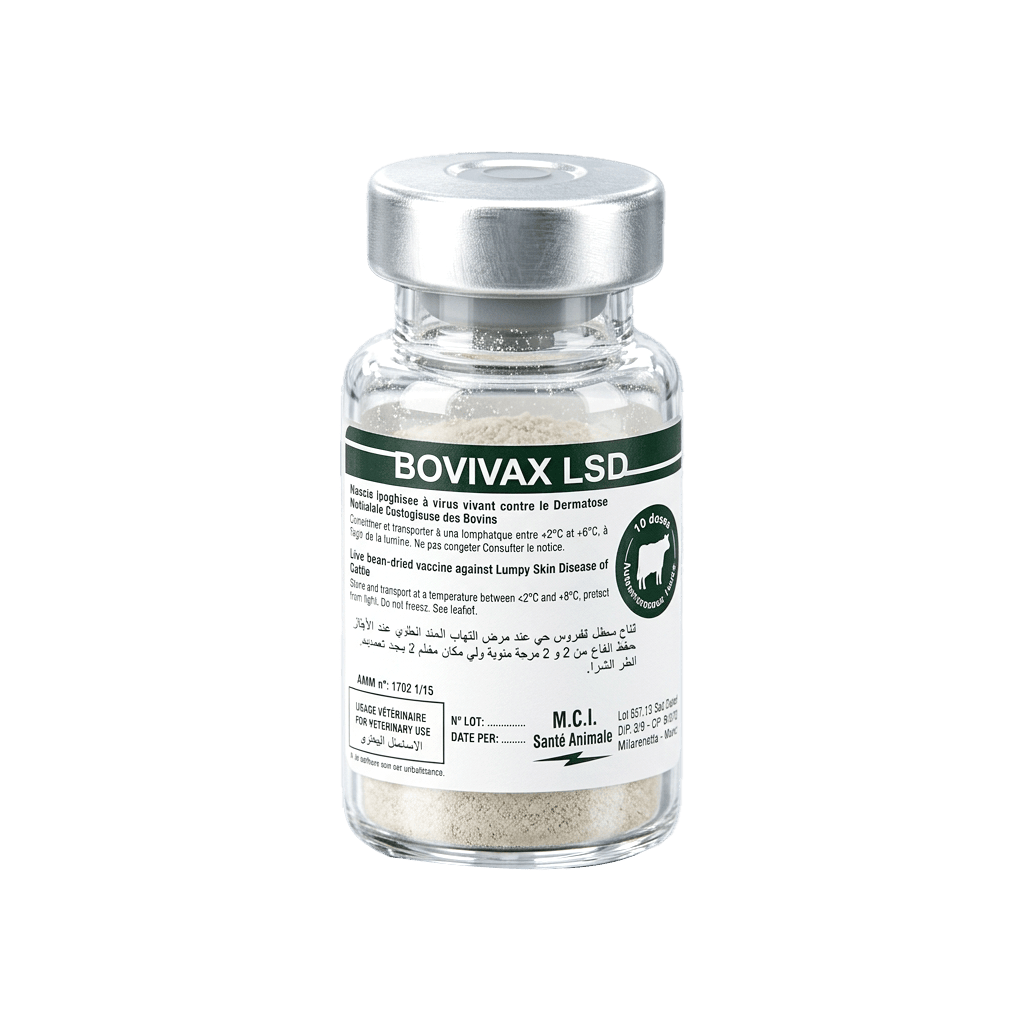
Live attenuated freeze-dried vaccine against Lumpy Skin Disease (Kenya strain) in cattle.
View product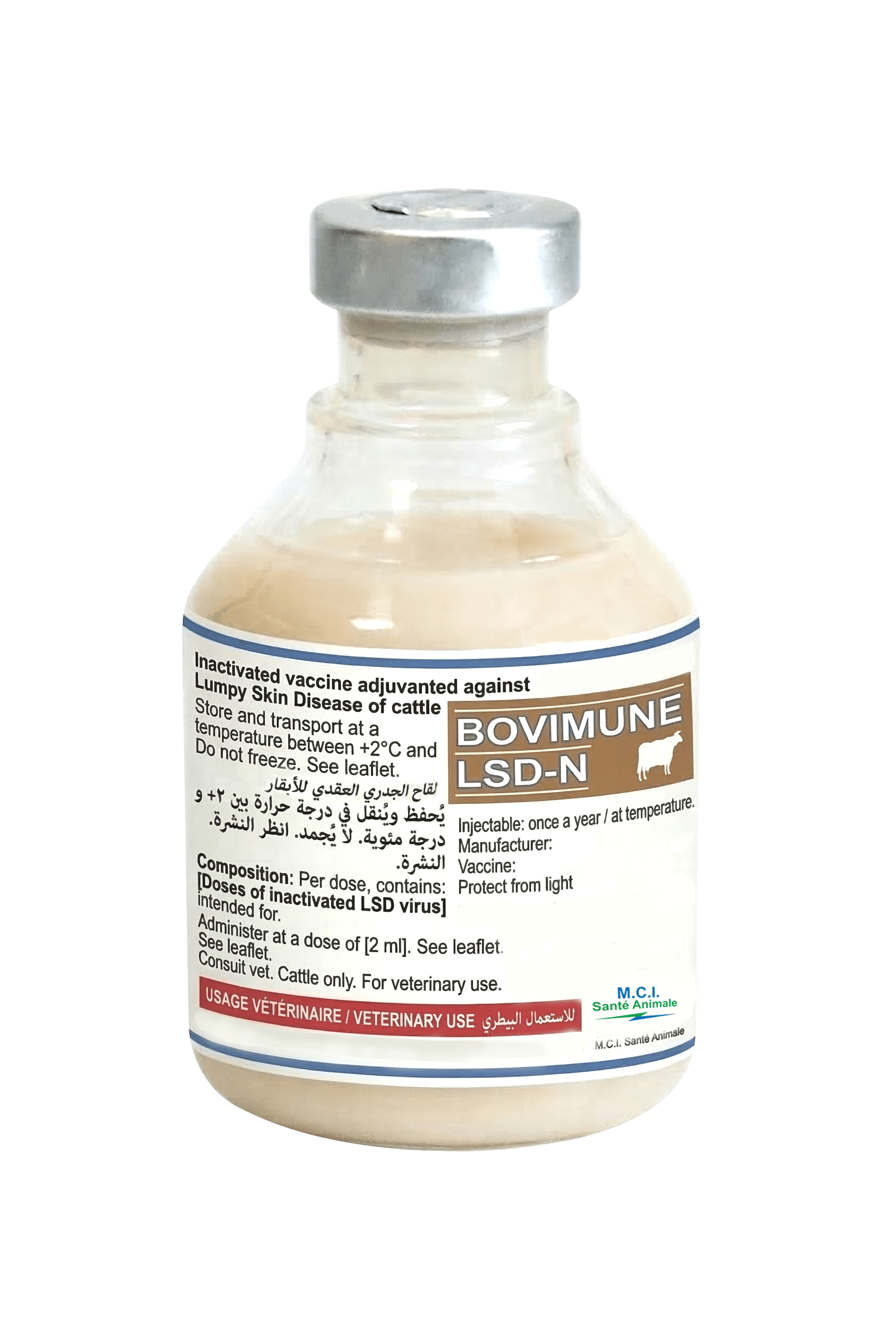
Inactivated adjuvanted vaccine against Lumpy Skin Disease in cattle.
View productCombination vaccines
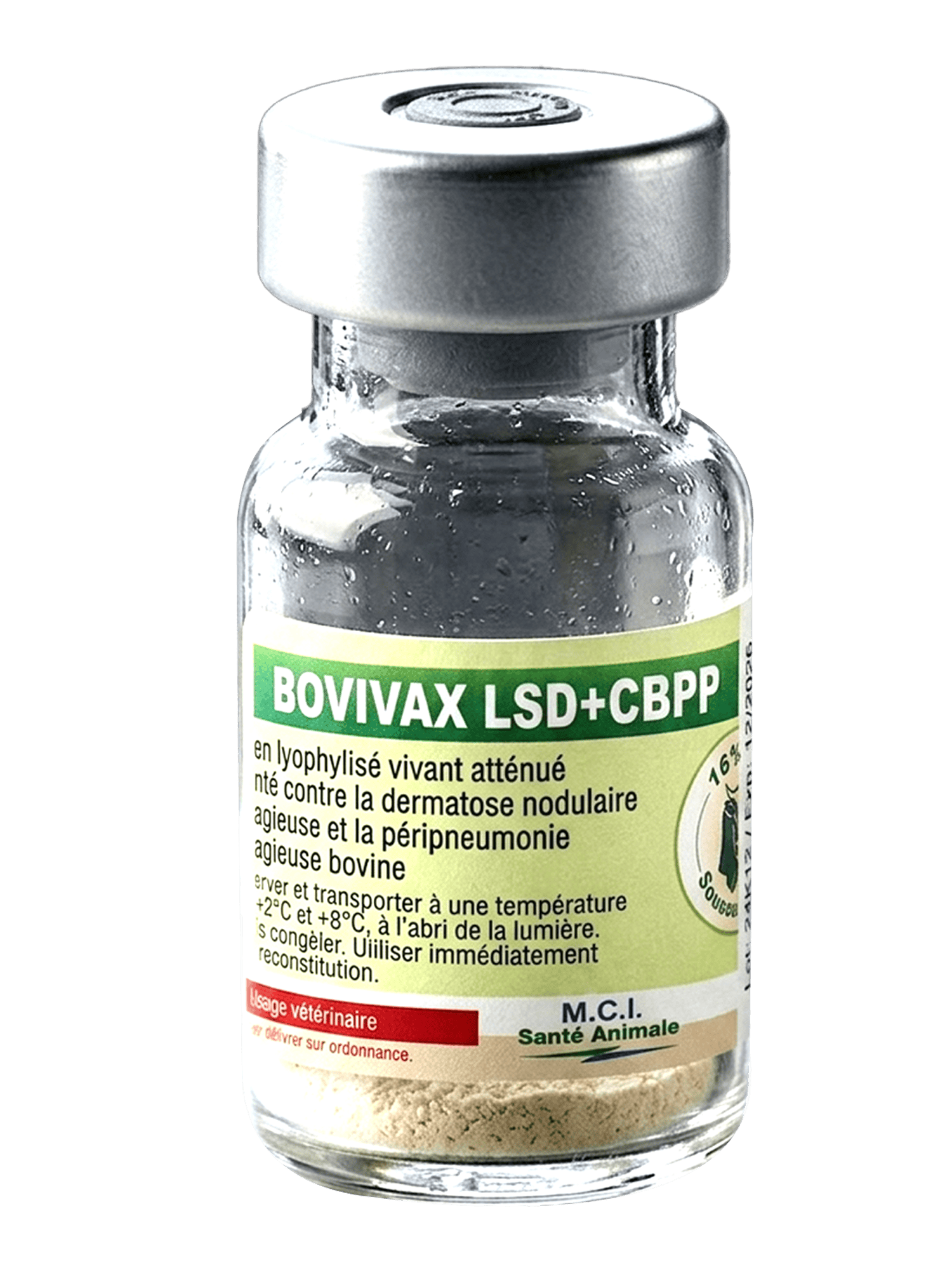
Freeze-dried live attenuated bivalent vaccine against Lumpy Skin Disease (LSD) and Contagious Bovine Pleuropneumonia (CBPP).
View product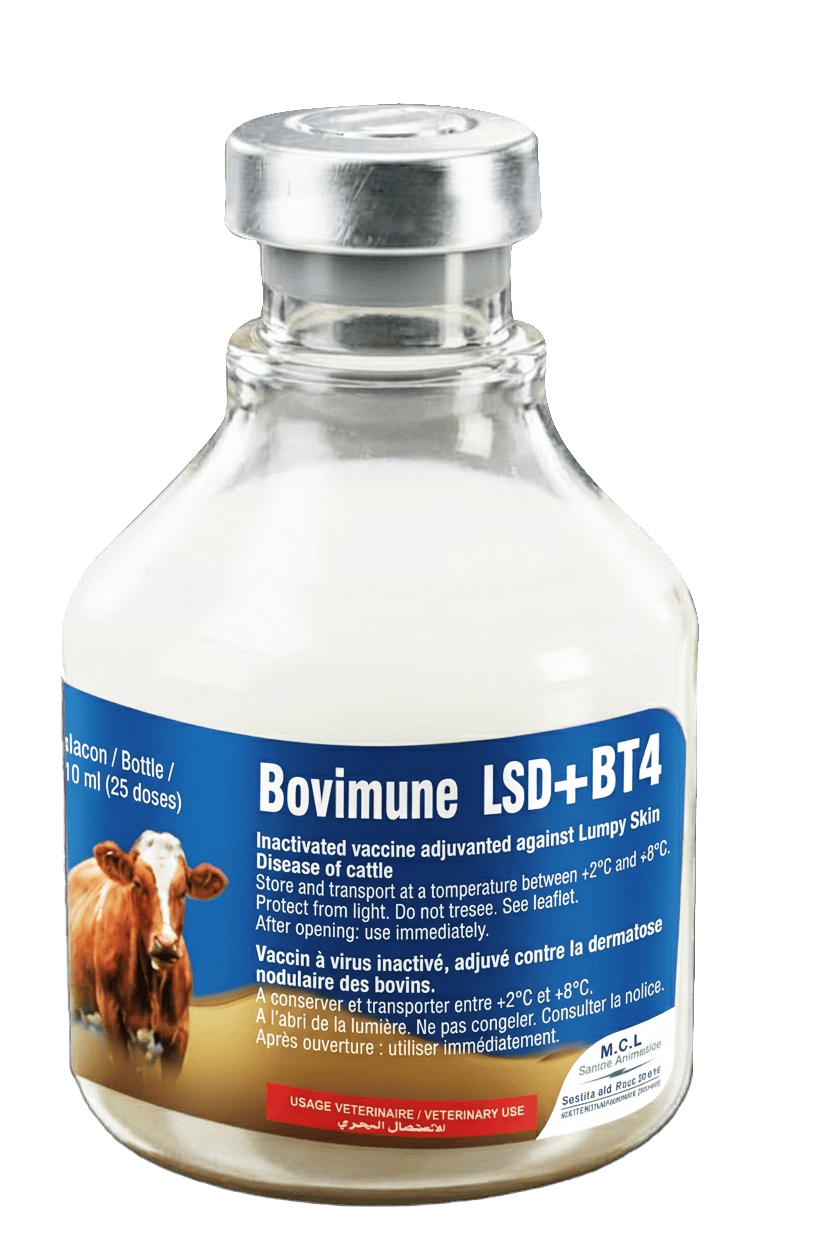
Inactivated adjuvanted vaccine against Lumpy Skin Disease (LSD) and Bluetongue serotype 4 (BT4) in cattle.
View productReferences
Amenu, K. (2018). Review on Epidemiological Aspects and Economic Impact of Lumpy Skin Disease. Journal of Dairy & Veterinary Sciences, 7(5). https://doi.org/10.19080/JDVS.2018.07.555716
Akther, M., Akter, S. H., Sarker, S., Aleri, J. W., Annandale, H., Abraham, S., & Uddin, J. M. (2023). Global Burden of Lumpy Skin Disease, Outbreaks, and Future Challenges. Viruses, 15(9), 1861.
Department for Environment, Food & Rural Affairs. (2026). Updated outbreak assessment #9: Lumpy Skin Disease (LSD) in Europe. Animal and Plant Health Agency, UK Government.
Tuppurainen, E., Alexandrov, T., & Beltrán-Alcrudo, D. (2017). Lumpy skin disease: A field manual for veterinarians (FAO Animal Production and Health Manual No. 20). Food and Agriculture Organization of the United Nations.
World Organisation for Animal Health. (2024). WOAH Terrestrial Manual – Chapter 3.4.12: Lumpy Skin Disease.