
Pasteurellosis in Livestock
Overview
Pasteurellosis is an important bacterial disease affecting cattle, sheep, goats, pigs and camels worldwide. It is primarily associated with respiratory infections that can lead to severe pneumonia, septicemia, reduced productivity, and significant economic losses through mortality and reduced productivity. The disease is particularly important in intensive and semi-intensive production systems, where stressful conditions can increase susceptibility to infection (Storoni et al., 2026).
Etiology
Pasteurellosis is primarily caused by Pasteurella multocida and Mannheimia haemolytica, two Gram-negative bacteria belonging to the family Pasteurellaceae.
Both organisms commonly inhabit the upper respiratory tract of healthy animals. Under stress or during concurrent infections, they can proliferate, colonize the lower respiratory tract, and cause severe respiratory disease (Abdulkadir et al., 2024).
Pasteurella multocida has five serogroups (A, B, D, E, F) and 16 serotypes, whileMannheimia haemolytica is composed of a collection of 17 serotypes within 2 serogroupes (A and T). Serotypes within T serogroup were reorganized into Bibersteinia trehalosi containing four serotypes
Serotypes have different levels of virulence, host-species adaptability with possible inter-species transmissibility, antigenicity, immunogenicity, and a lack of inter-serotype cross-reactivity
Pasteurella multocida possesses virulence factors that promote colonization and immune evasion, while Mannheimia haemolytica produces leukotoxin, which damages leukocytes and contributes to acute fibrinous pneumonia. Consequently, M. haemolytica is a major cause of severe respiratory disease in livestock, whereas P. multocida is commonly associated with both acute and chronic respiratory infections (Storoni et al., 2026).
Transmission
Pasteurella multocida and Mannheimia haemolytica are commonly found in the upper respiratory tract of healthy animals, where they exist as part of the normal bacterial flora. Transmission occurs primarily through direct contact with infected or carrier animals via respiratory secretions. However, disease usually develops when stress or concurrent infections compromise the animal's natural defense mechanisms, allowing these bacteria to proliferate and invade the lower respiratory tract (WOAH, 2022).
Stress factors such as transportation, overcrowding, poor ventilation, nutritional deficiencies, adverse weather conditions, weaning, and viral infections are major predisposing factors for pasteurellosis. Once established in the lungs, the bacteria induce inflammation and tissue damage that can rapidly progress to severe pneumonia and, in some cases, septicemia (Storoni et al., 2026).
Clinical Signs
Clinical manifestations vary according to the affected species, the bacterial pathogen involved, and the severity of infection. Respiratory disease is the predominant presentation, although severe cases may progress rapidly to septicemia and death, particularly in young or immunocompromised animals (WOAH, 2022).
Common clinical signs include:
- Fever
- Depression and loss of appetite
- Nasal discharge
- Coughing
- Rapid or difficult breathing
- Reduced milk production and weight gain
- Respiratory distress
- Sudden death in acute cases
In small ruminants, pasteurellosis commonly presents as acute pneumonia with rapid disease progression. In camels, haemorrhagic septicemia may additionally be characterized by profuse salivation, edema of the throat region, and severe respiratory distress (Sahay et al., 2020; Barre et al., 2023).
Prevention and Control
Effective control of pasteurellosis relies on a combination of good husbandry practices, biosecurity, early disease management, and vaccination. Reducing stress factors that predispose animals to infection is essential, as Pasteurella multocida and Mannheimia haemolytica commonly exist in the upper respiratory tract of healthy animals and can cause disease when host defenses are compromised (Abdulkadir et al., 2024).
Vaccination remains one of the most effective strategies for reducing the incidence and severity of pasteurellosis. When integrated with sound herd management, biosecurity, and responsible antimicrobial use, vaccination helps minimize production losses, improve animal welfare, and support sustainable livestock production (Tesfaye et al., 2025).
MCI Solutions
MCI Santé Animale offers a comprehensive portfolio of vaccines to support the prevention and control of pasteurellosis in cattle, sheep, goats, and camels. The range includes dedicated pasteurellosis vaccines as well as multivalent formulations providing broader protection against major bacterial diseases affecting livestock.
MCI's pasteurellosis vaccine portfolio includes:
Pasteurellosis specific vaccines
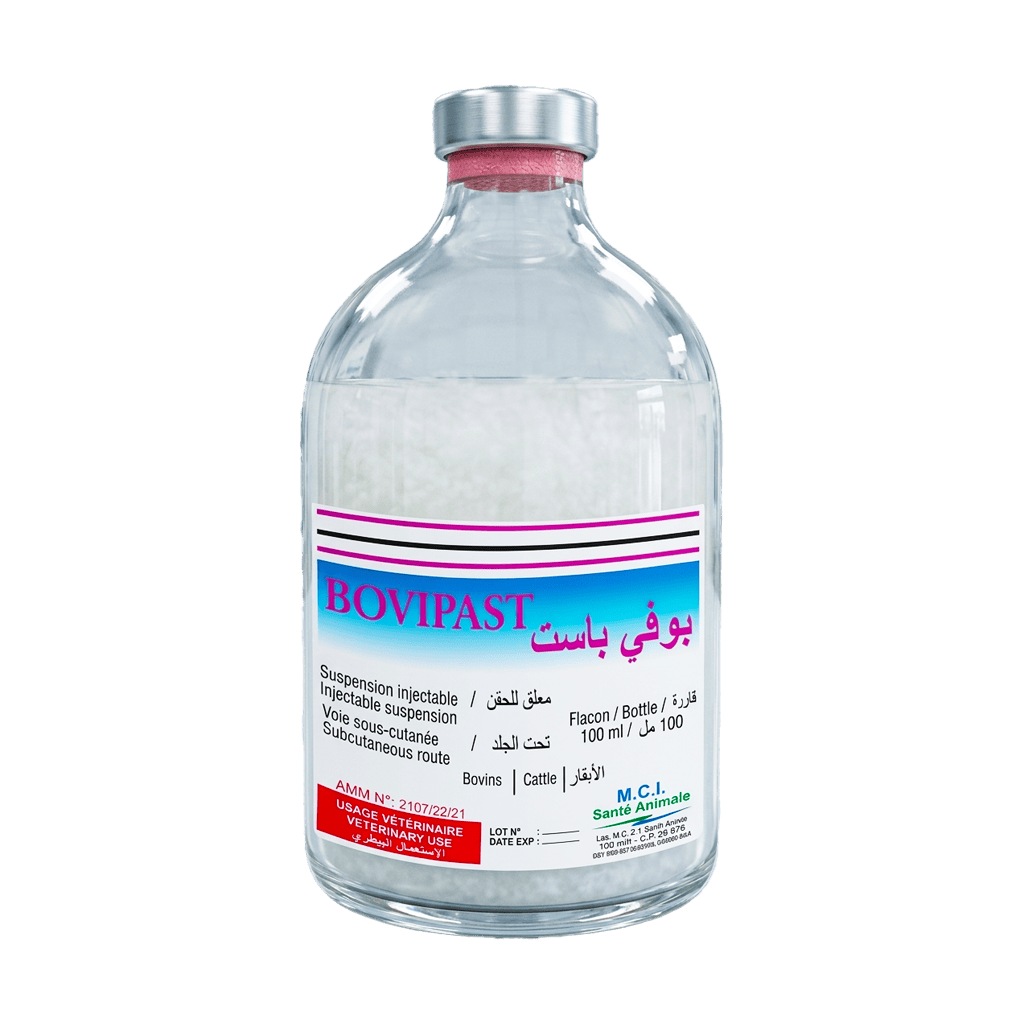
Inactivated bacterial vaccine against Pasteurella multocida and Mannheimia haemolytica diseases in cattle.
View product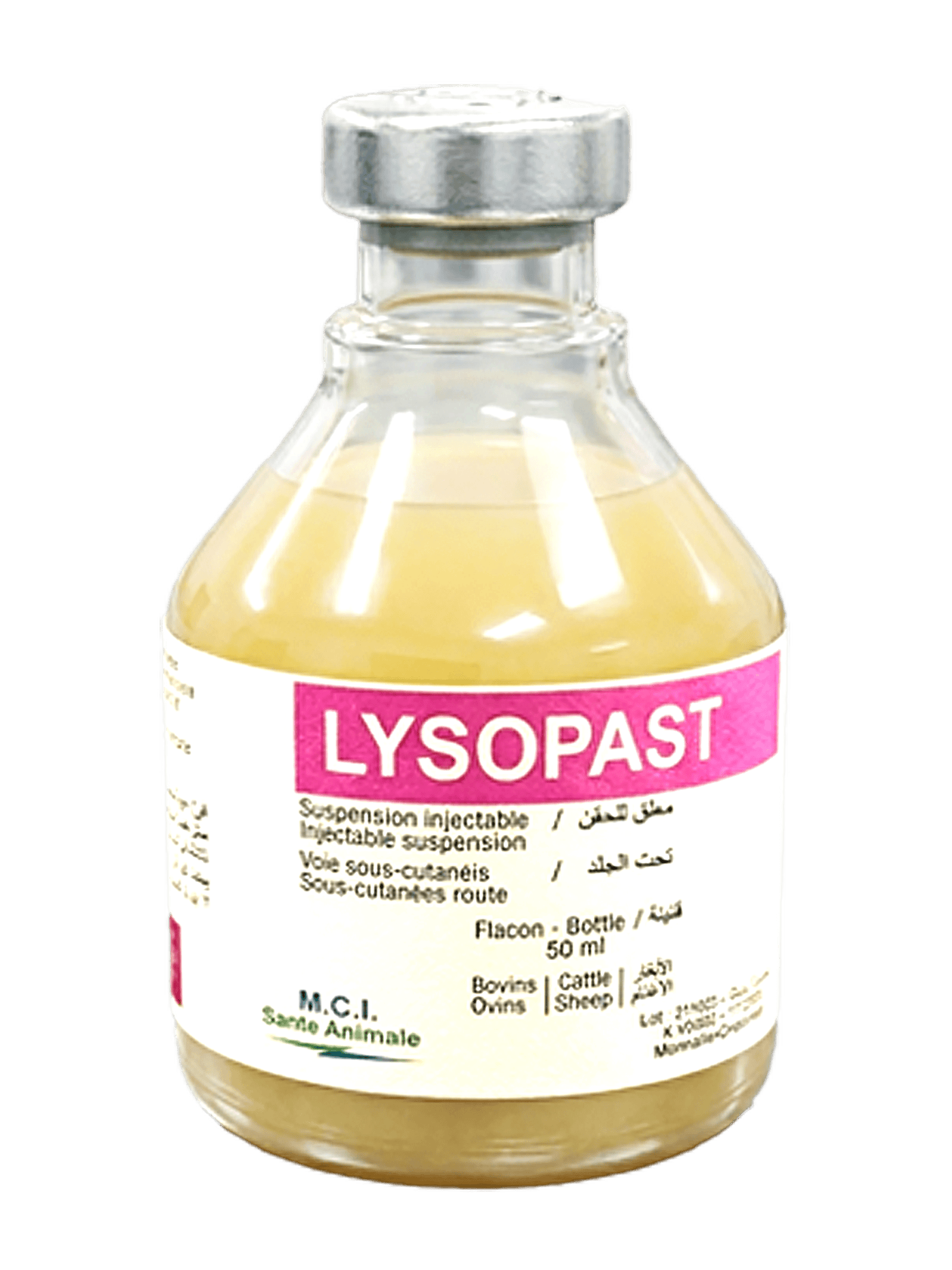
Inactivated adjuvanted vaccine against Pasteurella multocida groups A and D and Mannheimia haemolytica type A1 infections in sheep, cattle, and camels.
View product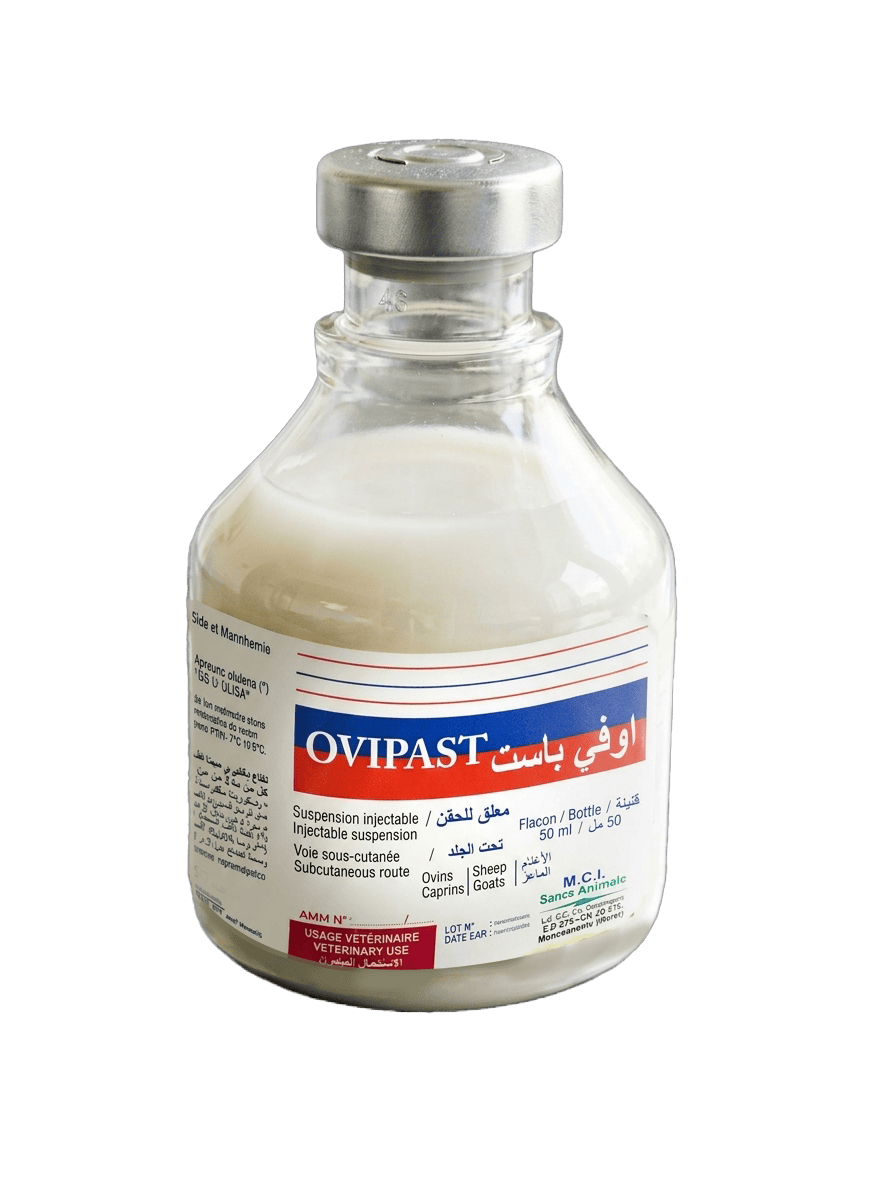
Inactivated bacterial vaccine against Pasteurella multocida and Mannheimia haemolytica diseases in sheep and goats.
View productCombined vaccines against pasteurellosis and other diseases
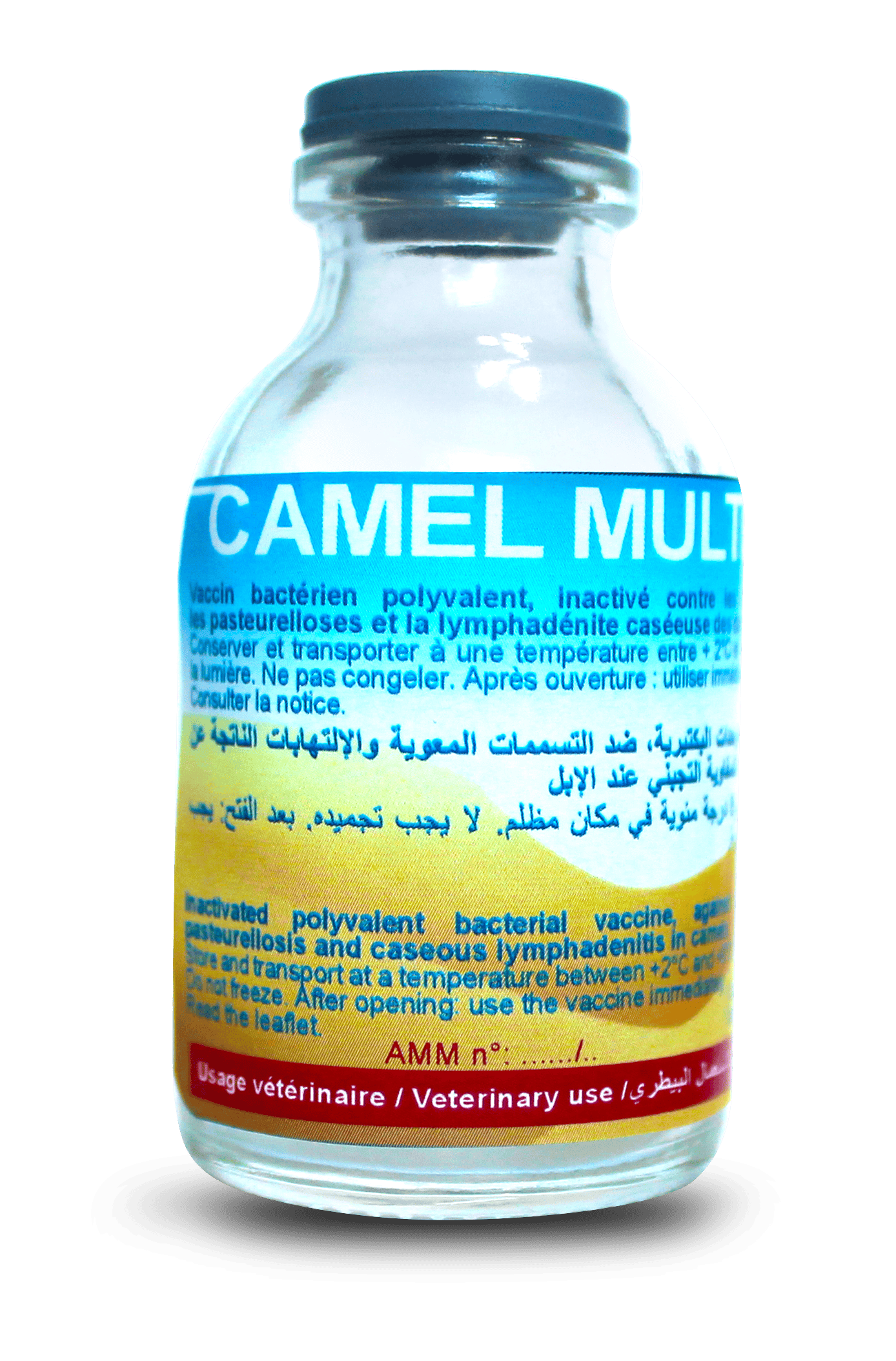
Inactivated polyvalent bacterial vaccine against enterotoxemias, pasteurellosis, and caseous lymphadenitis in camels.
View product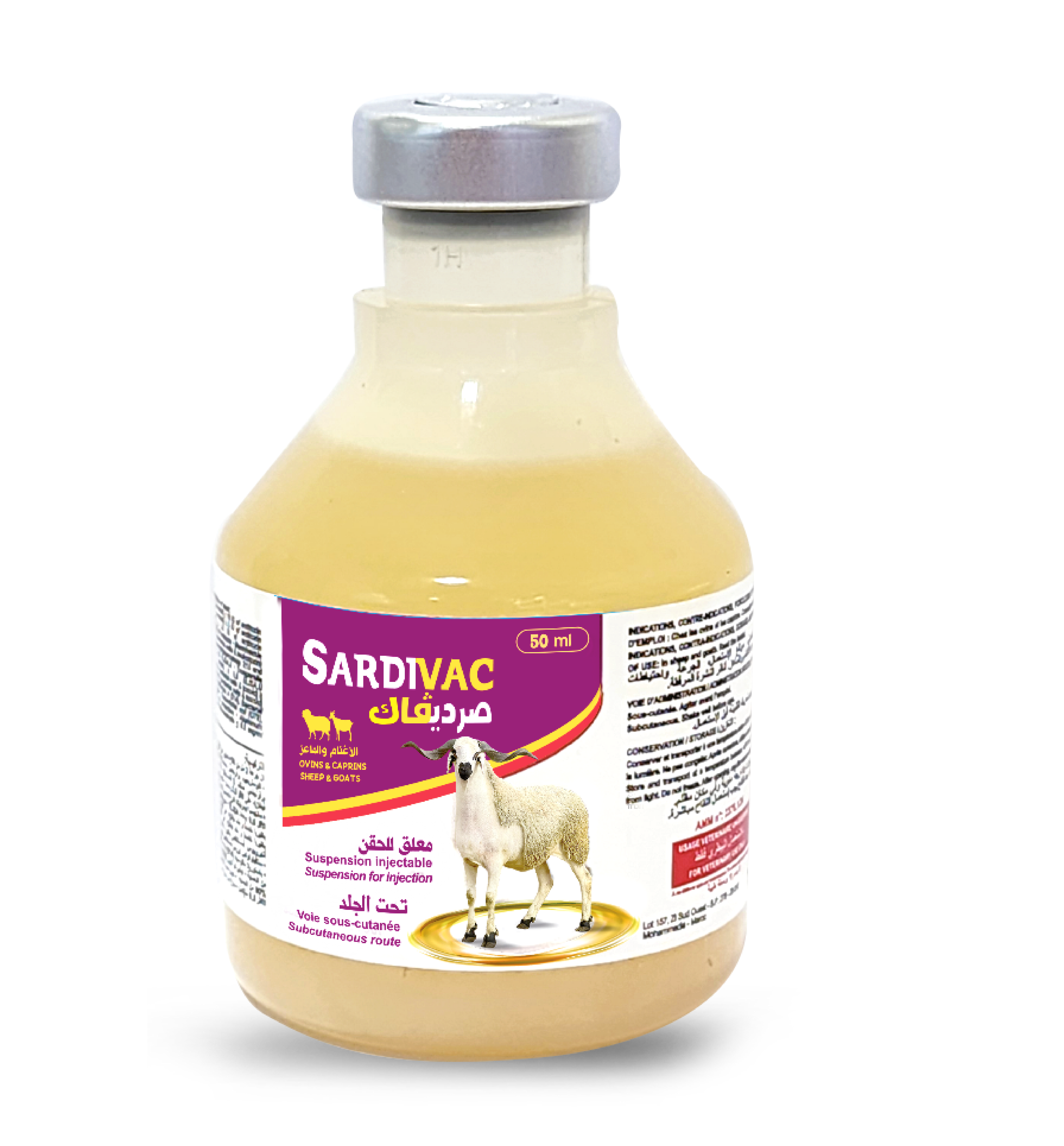
Purified inactivated multivalent bacterial vaccine against enterotoxemia, gas gangrene, pneumonic and septicemic pasteurellosis, septicemic colibacillosis, and abscess disease in sheep and goats.
View product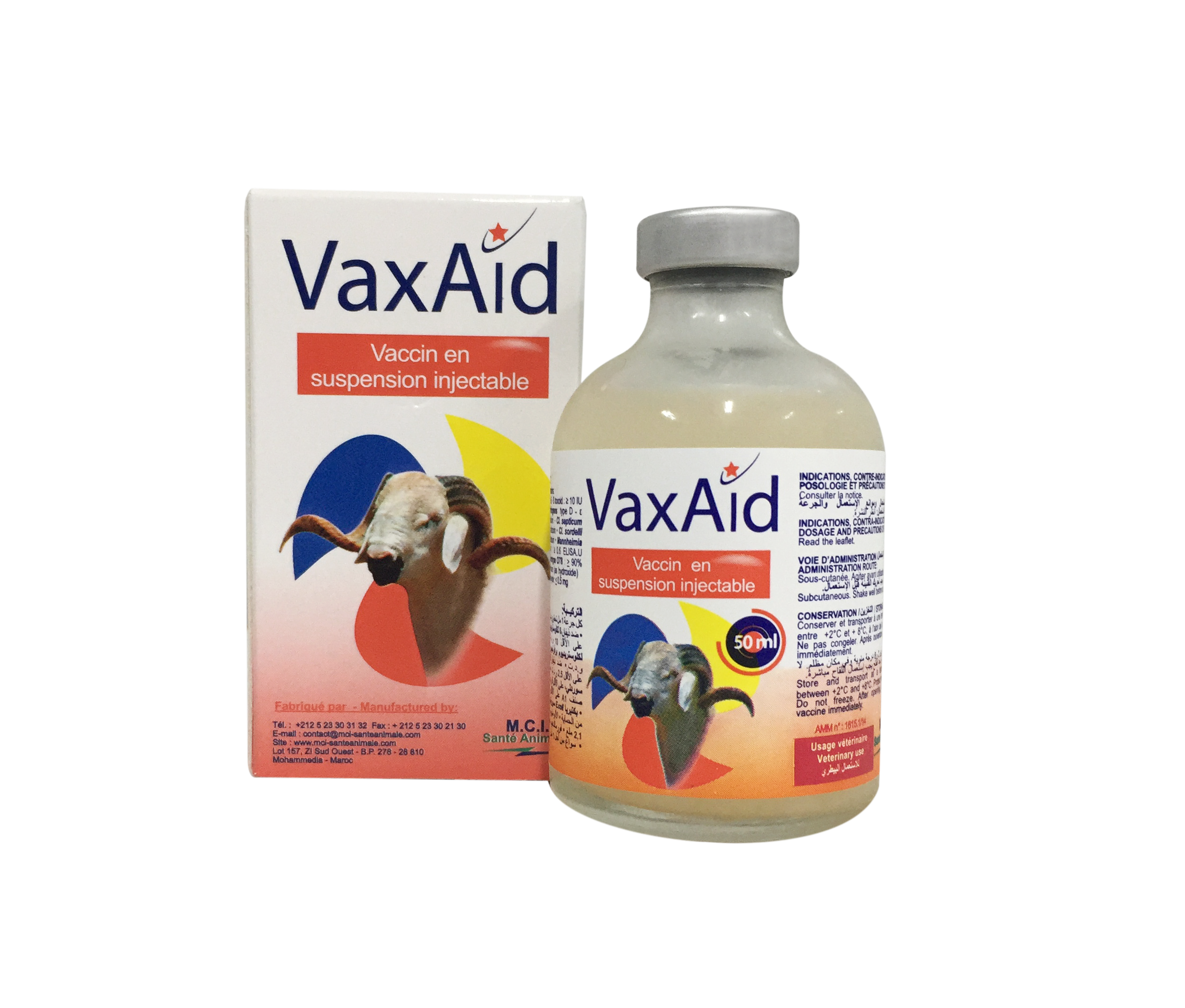
Inactivated polyvalent bacterial vaccine against enterotoxemia, gas gangrene, pasteurellosis, and septicemic colibacillosis in cattle, sheep, and goats.
View productReferences
Abdulkadir, M., Nigussie, T., & Kebede, I. A. (2024). Isolation and identification of Pasteurella multocida and Mannheimia haemolytica from pneumonic small ruminants and their antibiotic susceptibility in Haramaya District, Eastern Ethiopia. The Scientific World Journal, 2024, Article 5605552.
Barre, A., Hassan, A. S., Mohamud, I. A., Mohamud, A. M., Mohamed, A. A., & Idow, M. M. (2023). Prevalence of hemorrhagic septicemia in dromedary camel (Camelus dromedarius) of some selected farms at Benadir Region, Somalia. Journal of Istanbul Veterinary Sciences, 7(1), 8–14.
Sahay, S., Natesan, K., Prajapati, A., Kalleshmurthy, T., Shome, B. R., Rahman, H., & Shome, R. (2020). Prevalence and antibiotic susceptibility of Mannheimia haemolytica and Pasteurella multocida isolated from ovine respiratory infection: A study from Karnataka, Southern India. Veterinary World, 13(9), 1947–1954.
Storoni, C., Preziuso, S., Attili, A.-R., Li, Y., & Cuteri, V. (2026). Bacterial bovine respiratory disease: A comprehensive review of etiology, pathogenesis and management strategies. Microbiology Research, 17(1), 18.
Tesfaye, A. B., Werid, G. M., Tao, Z., You, L., Han, R., Zhu, J., Fu, L., & Chu, Y. (2025). Advances in Pasteurella multocida vaccine development: From conventional to next-generation strategies. Vaccines, 13(10), 1034.
World Organisation for Animal Health. (2022). Pasteurella spp. (Infection with). https://www.woah.org/app/uploads/2022/02/pasteurella-spp-infection-with.pdf