
Sheep & Goat Pox
Overview
Sheep pox and goat pox (SGP) are highly contagious viral diseases affecting sheep and goats, respectively. Caused by the sheeppox virus (SPPV) and goatpox virus (GTPV), both members of the Capripoxvirus genus (Poxviridae family), these closely related viruses can infect either host species, although most strains tend to cause more severe disease in one species than the other (WOAH, 2021; FAO, 2026). SGP is recognized as a major transboundary animal disease due to its rapid spread, substantial economic impact, and implications for regional and international trade (Bianchini et al., 2025).
The disease is endemic across large parts of Africa, the Middle East, and Asia, where it continues to affect small ruminant production systems. Although many countries have successfully eradicated SGP, sporadic outbreaks continue to occur in previously disease-free regions, including parts of Europe, while recent years have also seen the disease expand into new areas of Southeast Asia. This evolving epidemiological situation highlights the importance of continuous surveillance, effective biosecurity, and vaccination strategies to limit its spread (Bianchini et al., 2025; FAO, 2026).
SGP can result in significant production losses through reduced weight gain, lower milk yield, decreased wool and hide quality, reproductive losses, and increased mortality, particularly among young or immunologically naïve animals. Beyond its direct effects on animal health, outbreaks disrupt livestock trade and impose considerable economic burdens on farmers, especially in endemic regions where small ruminants are essential for food security and household income (Hurisa et al., 2018; Limon et al., 2020).
Transmission
Sheep pox and goat pox viruses are transmitted primarily through direct contact with infected animals. The virus is present in respiratory secretions, saliva, nasal and ocular discharges, as well as in skin lesions and scabs, making close contact between susceptible and infected animals the main route of spread. Transmission may also occur through inhalation of infectious respiratory droplets, particularly when animals are housed or transported in close proximity (WOAH, 2021; FAO, 2026).
Indirect transmission can occur via contaminated equipment, vehicles, clothing, bedding, feed, and other fomites, as the virus is capable of surviving in the environment for extended periods, particularly in dried scabs. The introduction of infected animals into naïve flocks, uncontrolled animal movements, and livestock markets are among the most important drivers of disease spread. Although mechanical transmission by biting insects has been reported, it is generally considered to play a minor role compared with direct contact and movement of infected animals (Bianchini et al., 2025; FAO, 2026).
Clinical Signs
Following an incubation period of 4 to14 days, affected sheep and goats typically develop fever, depression, and enlargement of the superficial lymph nodes before the appearance of the characteristic skin lesions. Disease severity varies depending on the virus strain, host species, breed, age, and immune status, with young animals and immunologically naïve flocks generally experiencing more severe clinical disease (FAO, 2026).
Common clinical signs include:
- Fever
- Enlarged superficial lymph nodes
- Characteristic skin lesions (macules, papules and nodules)
- Mucopurulent ocular and nasal discharge
- Oral lesions and ulcers
- Respiratory distress
- Reduced milk production
- Damage to wool, skins and hides
- Secondary bacterial infections in severe cases
- Increased mortality in young animals
As the disease progresses, skin lesions become necrotic and develop into thick scabs that eventually detach, often leaving permanent scars. Recovery may take several weeks, and affected animals can experience prolonged reductions in productivity due to weight loss, decreased milk yield, and deterioration of wool and hide quality (Hurisa et al., 2018; FAO, 2026).
Prevention and Control
Preventing sheep and goat pox relies on a combination of biosecurity, movement control, surveillance, and vaccination. Early detection and prompt reporting of suspected cases are essential to limit virus spread, particularly in endemic regions or areas at risk of introduction. Infected animals should be isolated, and the movement of susceptible animals restricted until outbreaks are brought under control (FAO, 2026; WOAH, 2021).
Vaccination remains the cornerstone of disease prevention in endemic countries and has proven highly effective in reducing the incidence and economic impact of sheep and goat pox. When combined with sound biosecurity practices and effective surveillance, vaccination plays a critical role in limiting disease transmission and protecting small ruminant populations (FAO, 2026).
MCI Solutions
MCI Santé Animale offers a comprehensive portfolio of vaccines to support the prevention and control of sheep and goat pox, addressing different epidemiological situations and vaccination strategies.
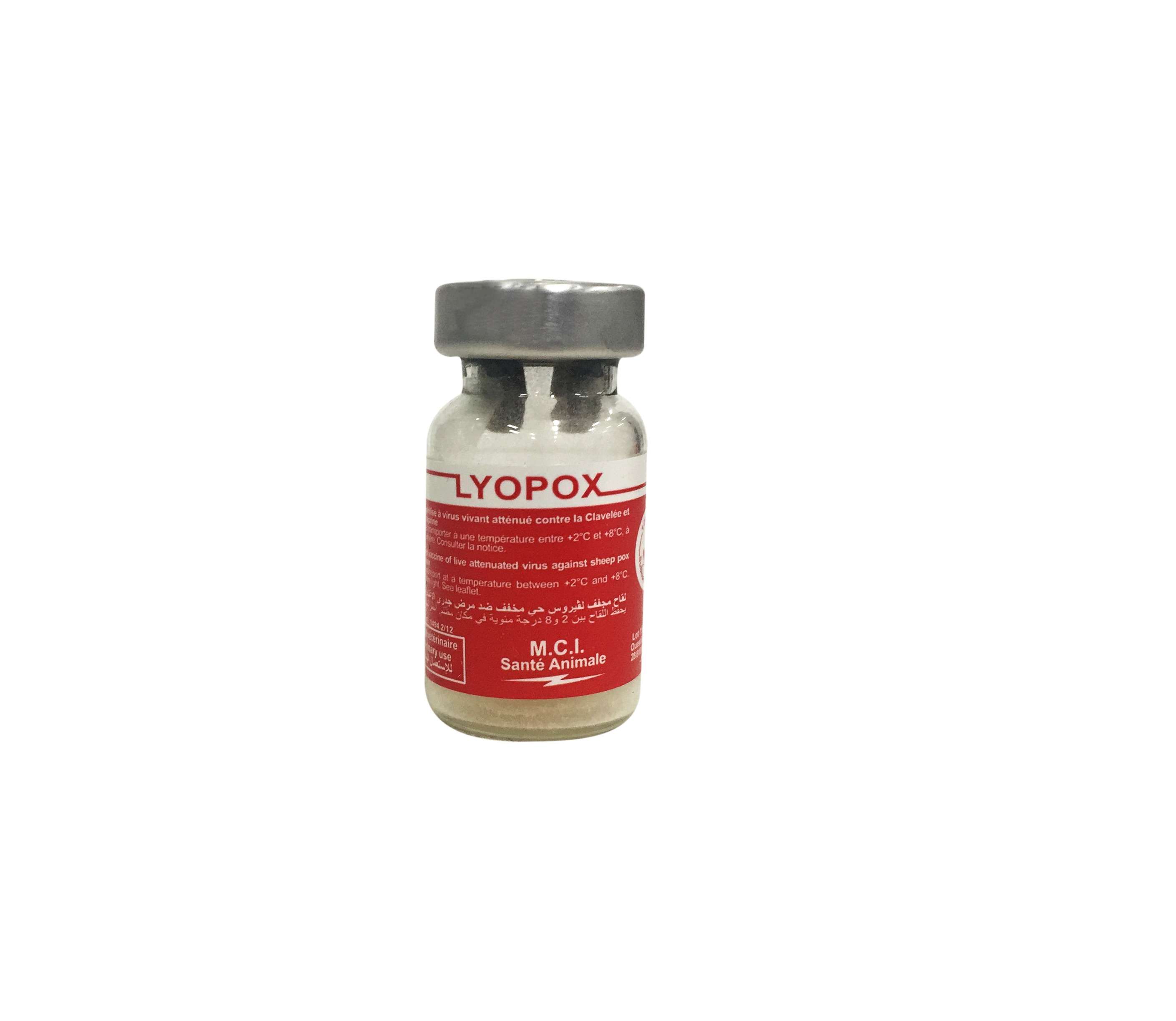
Live attenuated vaccines
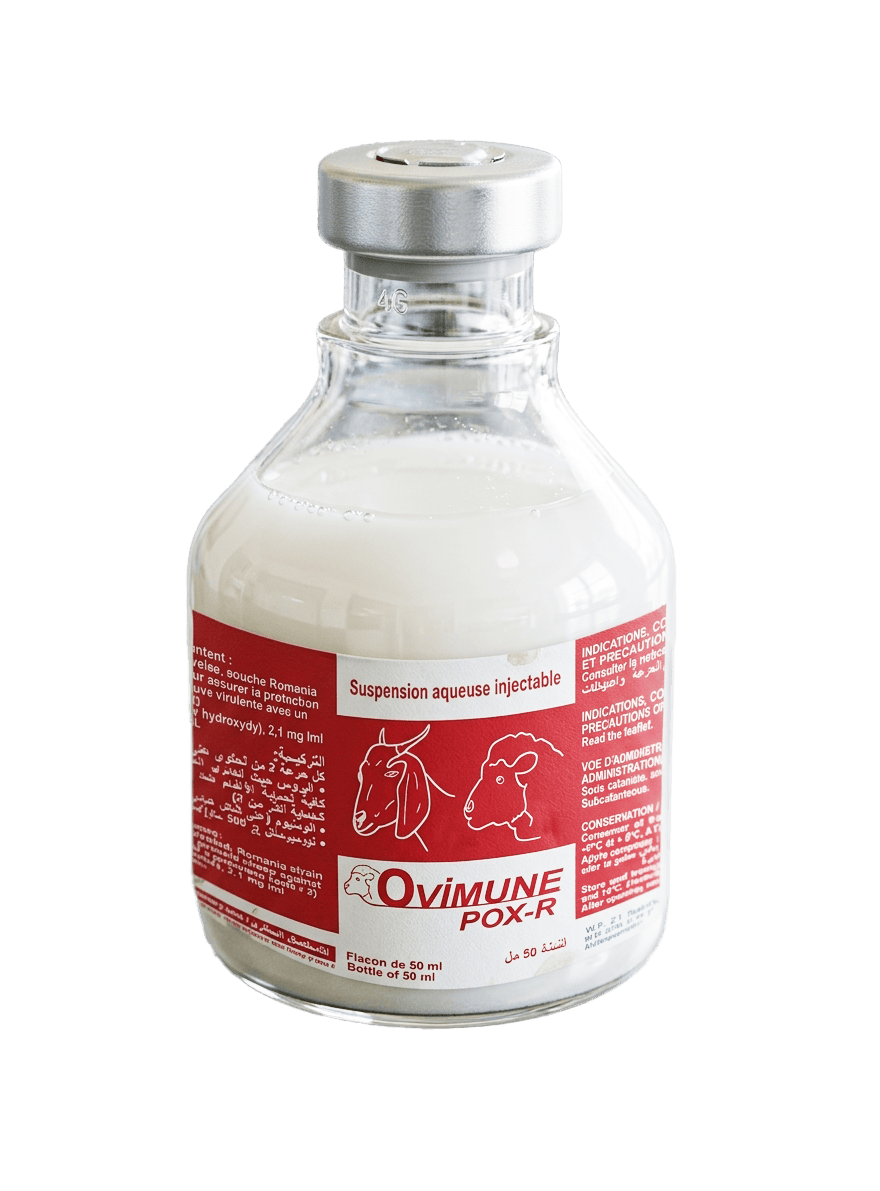
Inactivated vaccine
Combined vaccines
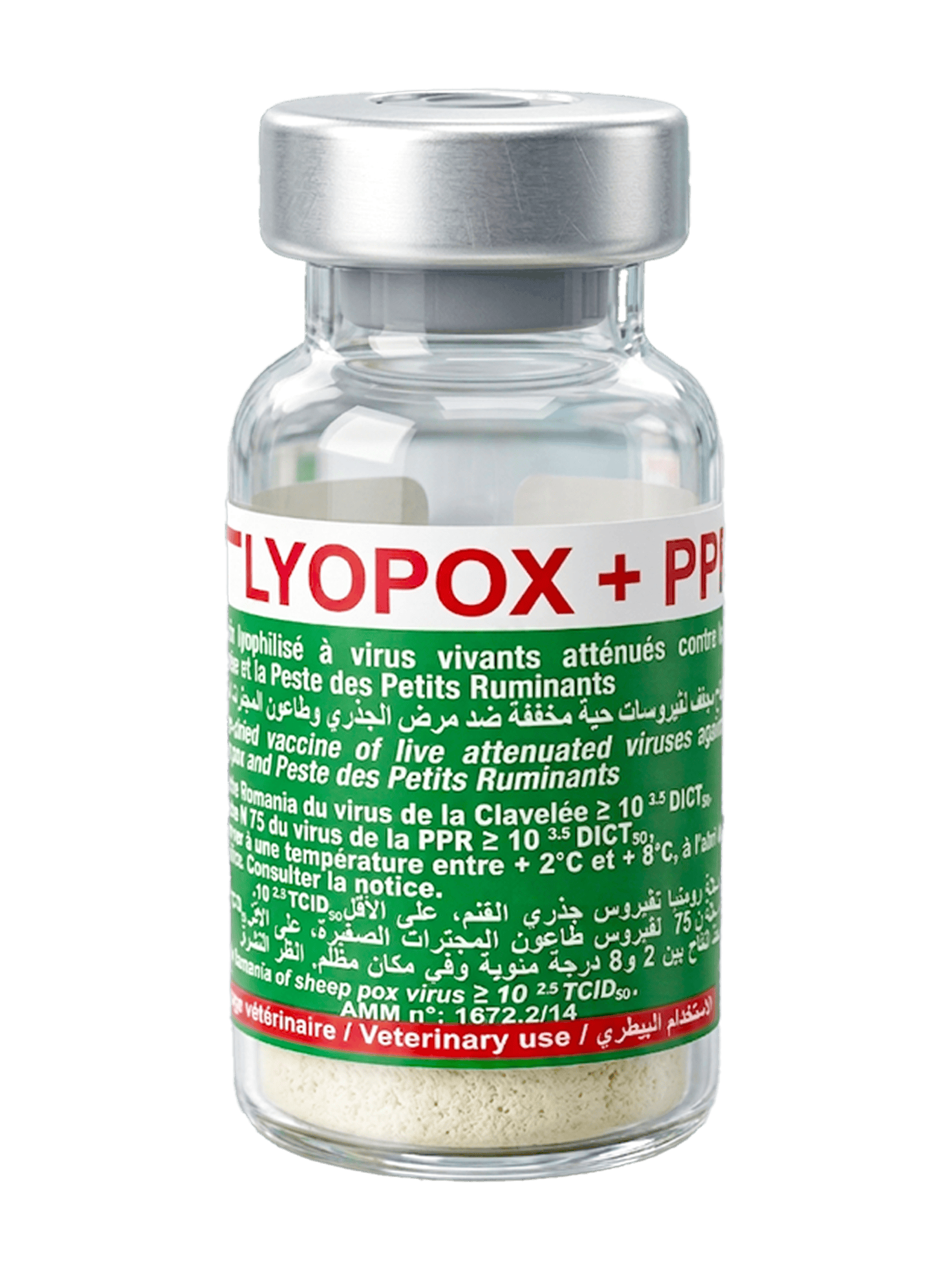
Live attenuated freeze-dried vaccine providing protection against sheep pox and peste des petits ruminants (PPR) in sheep and goats.
View product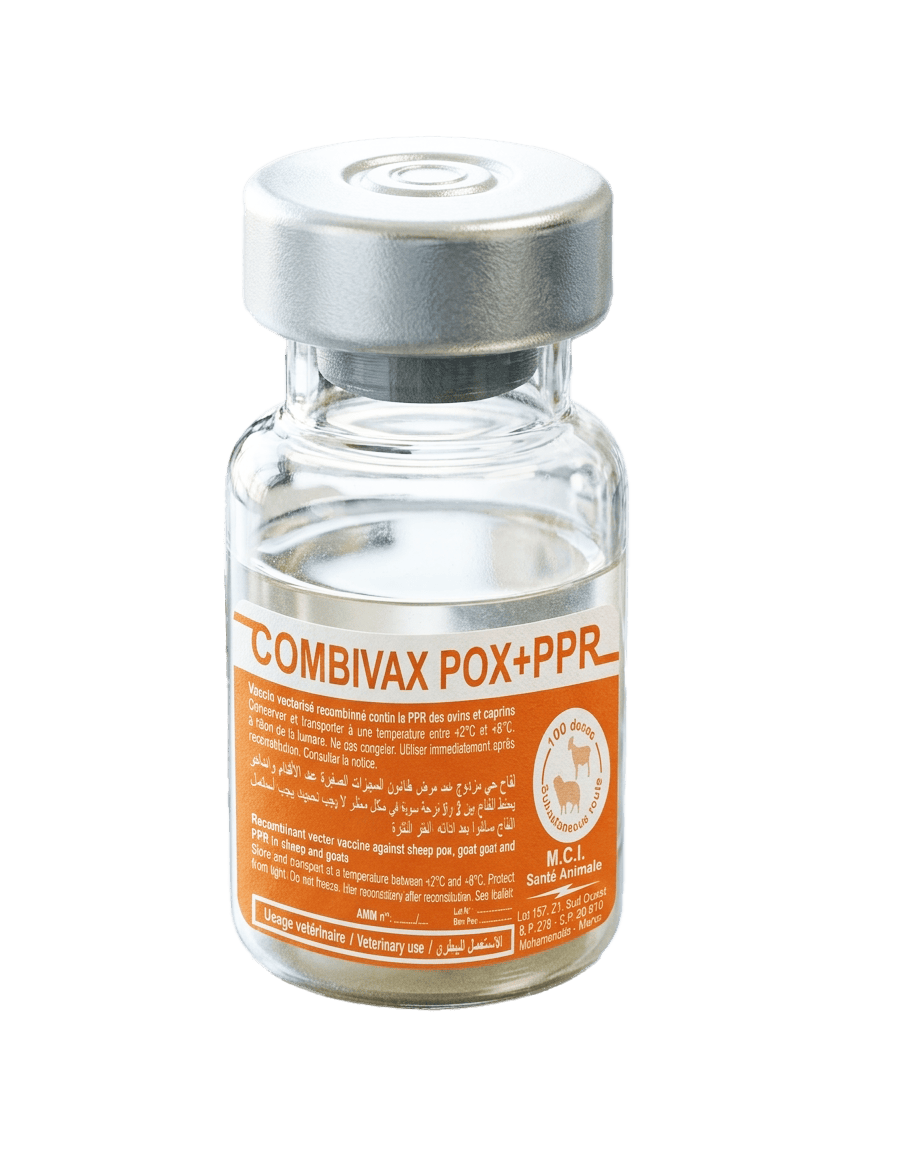
Recombinant vector vaccine against sheep pox, goat pox, and PPR in sheep and goats.
View productReferences
Bianchini, J., Filippitzi, M.-E., & Saegerman, C. (2025). Worldwide trend observation and analysis of sheep pox and goat pox disease: A descriptive 18-year study. Viruses, 17(4), 479. https://doi.org/10.3390/v17040479
Hurisa, T. T., Jing, Z., Jia, H., Chen, G., & He, X.-B. (2018). A review on sheeppox and goatpox: Insight of epidemiology, diagnosis, treatment and control measures in Ethiopia. Journal of Infectious Diseases and Epidemiology, 4(3), 057. https://doi.org/10.23937/2474-3658/1510057
Limon, G., Gamawa, A. A., Ahmed, A. I., Lyons, N. A., & Beard, P. M. (2020). Epidemiological characteristics and economic impact of lumpy skin disease, sheeppox and goatpox among subsistence farmers in northeast Nigeria. Frontiers in Veterinary Science, 7, 8. https://doi.org/10.3389/fvets.2020.00008
Tuppurainen, E., & Beltrán-Alcrudo, D. (2026). Sheep pox and goat pox: A field manual for veterinarians (FAO Animal Production and Health Manual No. 33). Food and Agriculture Organization of the United Nations. https://doi.org/10.4060/cd7794en
World Organisation for Animal Health. (2021). Sheep pox and goat pox (infection with sheep pox virus and goat pox virus). Manual of Diagnostic Tests and Vaccines for Terrestrial Animals. World Organisation for Animal Health.